Thinking about selling your Raleigh County home this year? Getting ready can feel overwhelming, especially with rural details like wells, septic, and acreage to consider. With a clear plan, you can tackle the right fixes, gather documents early, and launch with strong photos that attract serious buyers. This guide walks you through a local, practical checklist so you can list with confidence. Let’s dive in.
Know the Raleigh County basics
Raleigh County includes small-city and rural neighborhoods, with many single-family homes and older housing stock. Buyers often focus on condition and big-ticket systems like the roof, HVAC, well, and septic. Clear documentation and upfront maintenance can boost confidence.
Timing matters. Spring and early summer usually bring more activity. If you list in winter, emphasize clean, bright interior spaces and be ready for quick showings despite cold weather. Plan exterior projects for warmer months when curb appeal shines.
Before you list, verify important local items. Check your property tax records with the county assessor, confirm permits for past work with the building department, and review any well and septic guidelines. If your property sits in a mapped flood zone, buyers may need flood insurance. In parts of southern West Virginia, legacy mining can be a factor, so be prepared to disclose any known land history. Homes built before 1978 require federal lead-based paint disclosures.
Your pre-listing checklist
Start with safety and function, then move to curb appeal and finishes. These steps help prevent deal delays and strengthen your first impression.
Safety and systems first
- Service your heating and cooling system and keep receipts.
- Check electrical safety: functioning outlets, proper GFCI in kitchens and baths.
- Fix plumbing leaks and running toilets; ensure the water heater is stable.
- Address hazards right away (broken steps, loose railings, major roof leaks).
Why it matters: Inspectors and buyers look here first. Solving issues upfront protects your price and timeline.
Roof and foundation basics
- Visually inspect the roof for missing shingles, sagging, or leaks; schedule minor repairs.
- Gather documentation for any foundation repairs or evaluations.
Why it matters: These items influence appraisal and buyer confidence more than most cosmetic updates.
Exterior and curb appeal
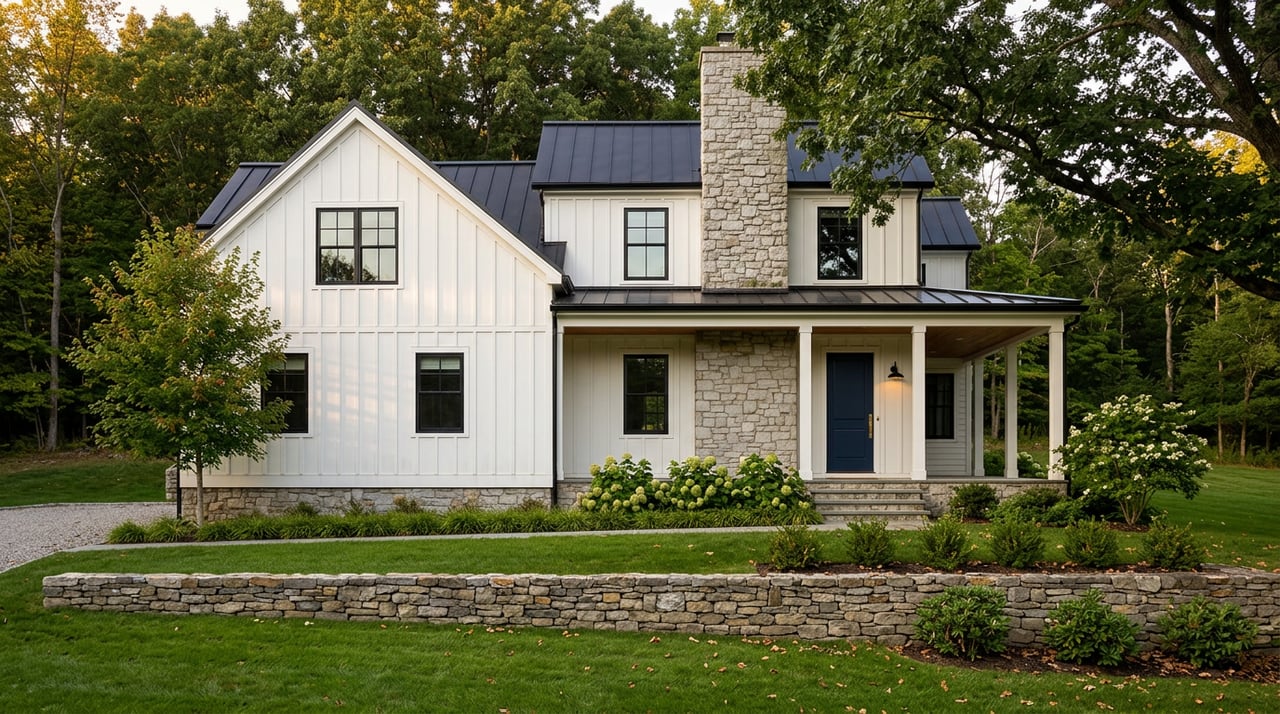
- Mow, edge, trim shrubs, and remove dead trees. Add seasonal color where practical.
- Clean gutters, power-wash siding and walkways, and repaint or refinish the front door if needed.
- Confirm house numbers are visible and all exterior lights work.
- Repair obvious driveway and walkway hazards.
Why it matters: Strong curb appeal increases click-through on your listing and sets the tone for showings.
Interior cleaning and quick repairs
- Deep clean floors, carpets, and windows. Remove odors from pets or smoke.
- Declutter rooms and surfaces so spaces feel open and flexible. Consider off-site storage for bulky items.
- Touch up paint with neutral tones. Patch small holes and repair minor wall or trim damage.
- Fix loose hardware, torn screens, cracked tiles, or sticky doors.
Why it matters: Clean, neutral rooms help buyers see themselves in the home.
Kitchens and baths
- Repair or replace leaky faucets and nonworking fixtures.
- Refresh grout and caulking in showers, tubs, and backsplashes.
- Confirm cabinets and drawers open smoothly; update hardware if dated and cost-effective.
- Clean or replace damaged vinyl or worn surfaces if budget allows.
Why it matters: Buyers weigh kitchens and baths heavily when comparing homes.
Flooring, lighting, and finishes
- Professionally clean carpets and hardwoods; refinish floors if needed.
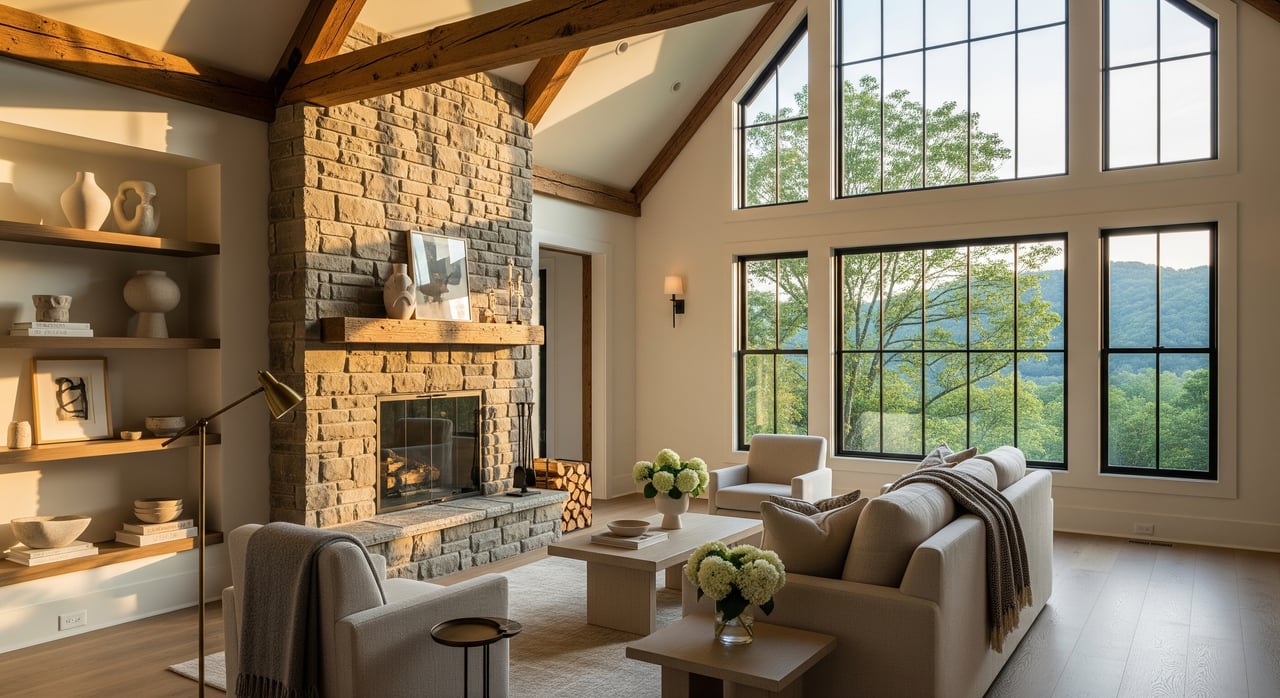
- Maximize light with clean windows and bright bulbs. Fix nonworking fixtures.
Why it matters: Good light and tidy floors make rooms feel larger and well cared for.
Small upgrades with big impact
- Update house numbers and a few dated light fixtures.
- Swap in modern faucets or cabinet pulls where they elevate the look.
- Add fresh towels and bath mats before showings.
Optional pre-listing inspections
- Consider a pre-listing home inspection to surface issues early. You can repair, disclose, or price accordingly.
- If you are on a private well or septic, consider inspections or testing before listing.
Why it matters: Fewer surprises mean smoother negotiations.
Local checks to verify before listing
- Property tax and assessed value: Confirm with the Raleigh County Assessor and have recent tax bills available.
- Permits and code compliance: Verify that past renovations were permitted and closed.
- Well and septic: Review maintenance records; be ready for lender or buyer inspections.
- Floodplain status: Check current flood maps if applicable.
- Lead-based paint: If the home was built before 1978, prepare the federal disclosure and pamphlet.
- State seller disclosures: Confirm West Virginia’s required forms or language with a local real estate attorney or the West Virginia Real Estate Commission.
- Land history: Be prepared to disclose any known mine-related or environmental conditions.
What to expect for photos and marketing
Professional photos
- Hire a real estate photographer. Expect 20 to 40 photos for a typical single-family home.
- Prep for photos: deep clean, depersonalize, open curtains, clear surfaces, make beds, remove pet items, and park vehicles out of view when possible.
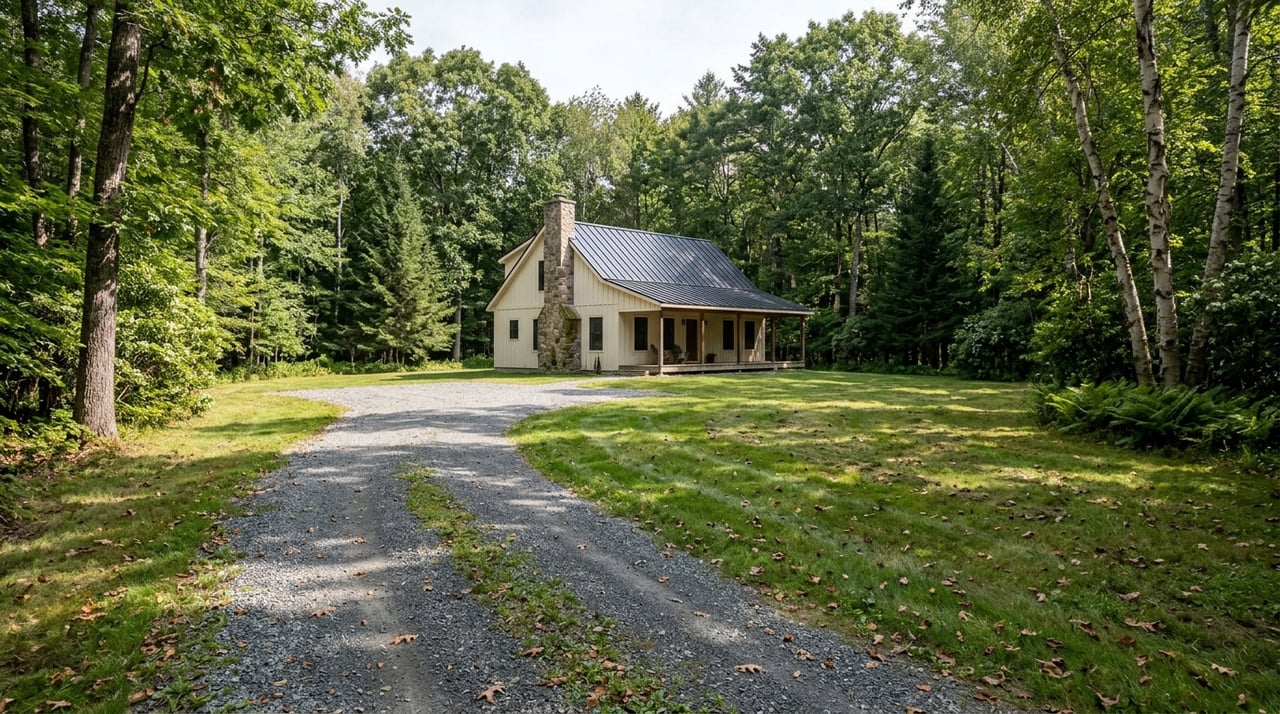
- For acreage or scenic views, ask about twilight or exterior drone images where permitted.
Virtual tours and floor plans
- Floor plans and 3D tours help remote and out-of-area buyers understand layout and flow.
- These tools can qualify buyers before they step inside.
Showings, open houses, and safety
- Expect short-notice showings during the first weeks on market. Keep the home tidy each day.
- For showings: turn on lights, set a comfortable temperature, remove or secure pets, and store valuables.
- Minimize presence during showings. Vacant homes show differently, but occupied sellers can still create a smooth experience with a routine.
- Open houses can help with local exposure. Confirm timing and safety expectations with your agent.
Buyers’ inspections and negotiations
- Most buyers order an inspection after you accept an offer. Common findings in the area include roof wear, HVAC servicing needs, electrical or plumbing fixes, and well or septic concerns.
- Be ready to respond with repairs or credits. If you completed a pre-listing inspection, use it to set expectations and reduce renegotiation.
Documents to gather early
Start collecting these items before you go live. Having them ready builds trust and speeds closing.
- Deed and legal description
- Recent property tax bills and any exemptions
- Mortgage payoff info and lender contact
- Warranties for appliances, roof, and HVAC (if transferable)
- Receipts and permits for renovations or repairs
- Survey or plot plan (if available)
- HOA documents if applicable (covenants, fees, rules)
- Utility bills for the last 12 months
- Well, septic, and water test results and maintenance receipts (if available)
- Seller’s property disclosure form per West Virginia guidance
- Lead-based paint disclosure for pre-1978 homes
- Any environmental reports or radon tests you may have
Sample timeline for Raleigh County sellers
- Week 0: Interview a local agent, discuss pricing, and set a marketing plan.
- Week 1: Deep clean, declutter, gather documents, and schedule servicing or inspections.
- Weeks 2 to 4: Complete priority repairs, exterior refresh, and light staging. Book photos once the home is show-ready.
- Weeks 3 to 5: List the home, review early feedback, and be flexible with showings.
Adjust this schedule for contractor lead times and seasonal weather.
Budgeting for common prep
Costs vary by home and contractor, but here are typical national ranges to help you plan. Always confirm local quotes.
- HVAC service: roughly $100 to $300; replacement can be several thousand dollars
- Roof patching: roughly $200 to $1,000; full replacement varies by size and material
- Minor kitchen refresh (paint, hardware): a few hundred to a few thousand dollars
- Professional cleaning: roughly $150 to $500 depending on home size
- Partial staging: roughly $500 to $3,000 for short-term rental
Simple showing-day checklist
- Open blinds and curtains; turn on all lights
- Set a comfortable temperature
- Clear counters and hide trash bins
- Secure or remove pets
- Tidy bathrooms and swap in clean towels
- Take valuables and medications with you or secure them
- Leave the home 10 minutes before the showing window
Quick checklist summary
- Gather documents: deed, tax bills, warranties, permits, utility bills, septic and well records, HOA docs
- Safety and systems: service HVAC, fix electrical and plumbing issues, address leaks
- Roof and foundation: complete minor repairs and document work
- Curb appeal: mow, trim, power-wash, refresh the front door, fix walkways
- Interior: deep clean, declutter, neutral touch-up paint, repair visible damage
- Kitchen and baths: repair faucets, refresh grout and caulk, confirm cabinets function
- Pre-listing inspection: consider one to limit surprises
- Photos and showings: hire professional photos, depersonalize, and prepare for quick requests
How LILLYWOOD REALTY helps Raleigh County sellers
You deserve a plan tailored to rural homes and small-city neighborhoods. As a boutique brokerage with a regional footprint that includes Raleigh County, we combine hands-on guidance with polished digital marketing. Our renovation-savvy perspective helps you choose practical updates with the best return, especially for homes with wells, septic, or acreage.
If you are considering a spring or summer launch, now is the time to prepare. For a clear plan, pricing strategy, and a confident listing rollout, connect with LILLYWOOD REALTY.
FAQs
What should I fix before listing a Raleigh County home?
- Prioritize safety and big systems first (HVAC, electrical, plumbing, roof), then clean, declutter, and handle visible cosmetic repairs.
Do I need a septic or well inspection to sell in Raleigh County?
- Many buyers and lenders request them for private systems, so plan ahead and gather maintenance records or consider inspections pre-list.
When is the best time to list in Raleigh County?
- Spring and early summer typically see more buyer activity, while winter listings should focus on strong interior prep and flexible showings.
What documents do I need to gather before I list?
- Start with your deed, recent tax bills, warranties, permits, utility history, well and septic records, disclosures, and any available surveys.
How should I prepare for buyers’ inspections in this area?
- Address key systems in advance, keep receipts, disclose known issues, and be ready to negotiate repairs or credits based on findings.