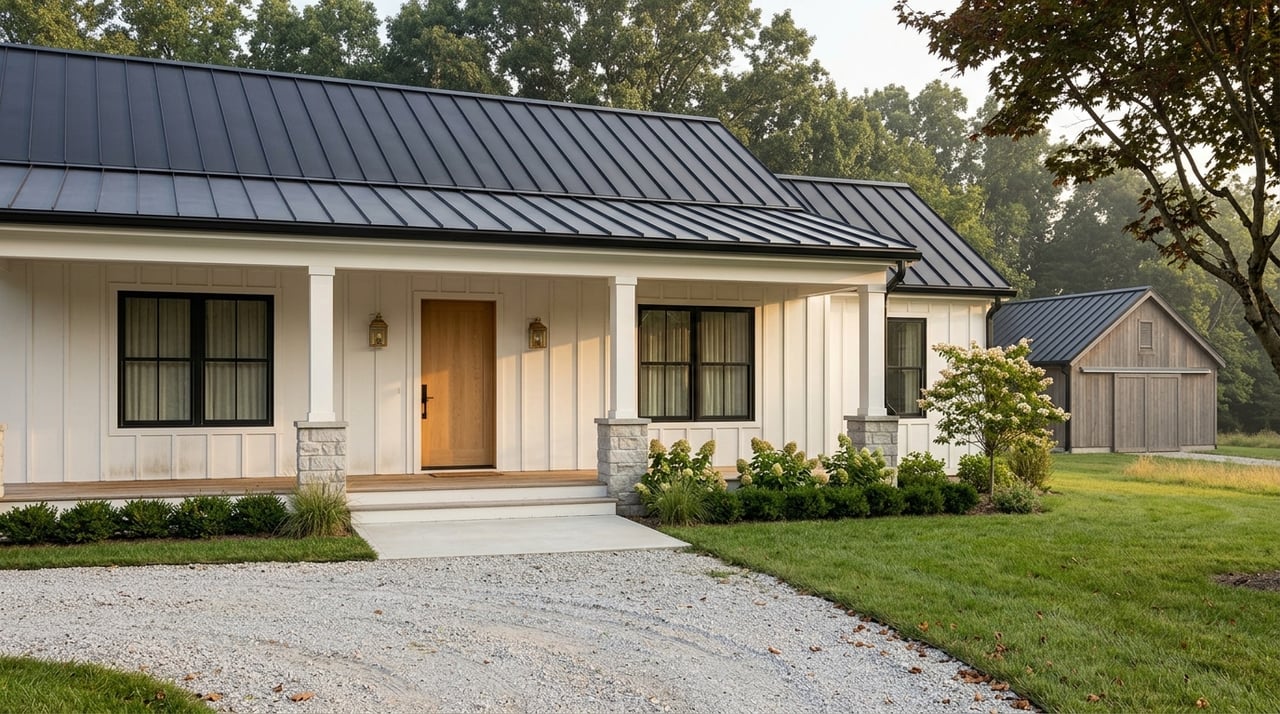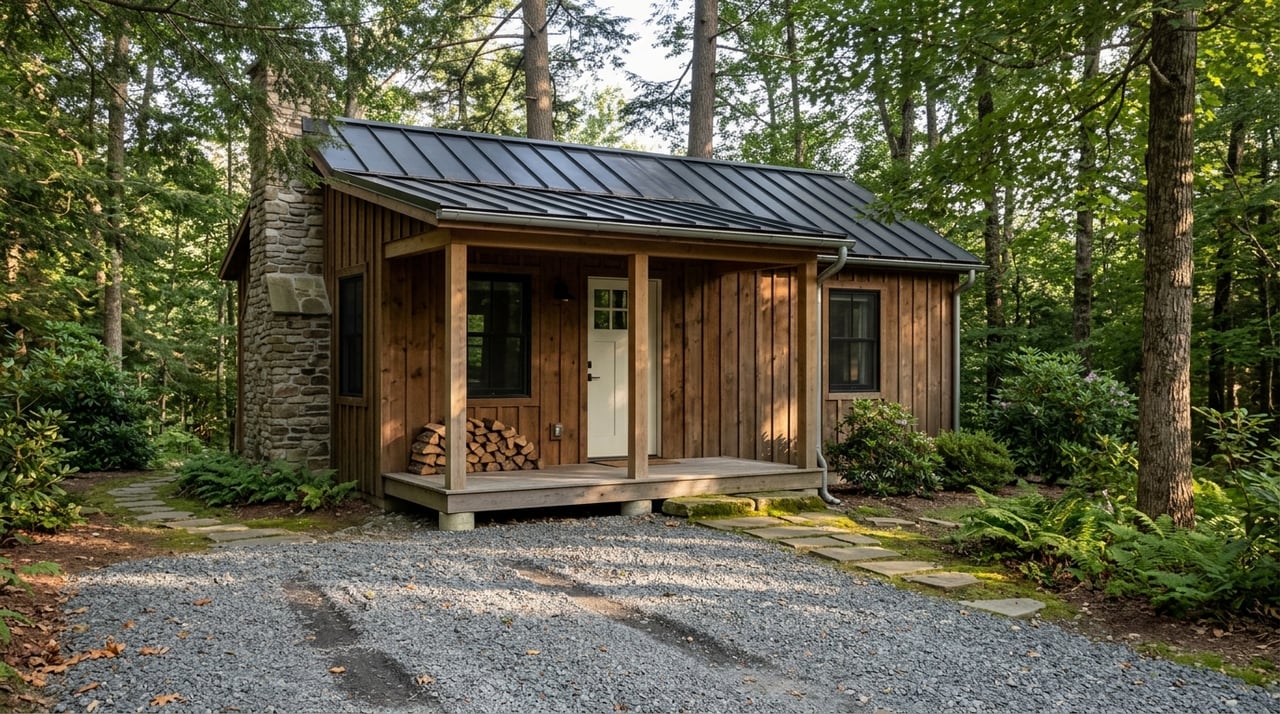
Looking for a cabin or camp in Braxton County sounds simple at first. You picture privacy, woods, water access, and a place to unwind. But with rural properties, the real questions often go far beyond the cabin itself. If you want to buy with confidence, you need to understand access, utilities, land rights, and local records before you fall in love with the view. Let’s dive in.
Why Braxton County appeals to cabin buyers
Braxton County is a natural fit for buyers who want a recreational property or second home. The county highlights Sutton Reservoir and Burnsville Reservoir for camping, boating, fishing, and wildlife use, and it also notes the Braxton Game Range as part of the area’s outdoor appeal.
That local setting shapes what many buyers want most. In Braxton County, cabin and camp searches often focus on privacy, usable land, water access, and year-round practicality just as much as square footage or finishes.
Why cabin purchases need extra due diligence
Buying a camp property is different from buying a home in a typical neighborhood. In Braxton County, many of these purchases are parcel-specific, which means the details tied to the land can matter more than the structure at first.
The county assessor also makes an important point: GIS and property data are informational only. They should not replace a title search, appraisal, survey, or zoning verification. That matters because a property map can look straightforward even when deed history, access, or boundaries are more complicated.
Access should be verified early
One of the first things you should confirm is how you legally get to the property. A gravel drive or visible roadway does not automatically mean you have deeded access.
The Braxton County Clerk records deeds and other land documents, so recorded easements, driveway agreements, and access language should be reviewed there. If you are considering a cabin on acreage, this step can help you avoid major surprises later.
Questions to ask about roads and driveways
Before you move too far forward, ask questions like these:
- Is the access deeded?
- Is the road public or private?
- Who maintains the road or driveway?
- Is there a recorded maintenance agreement?
- Is there a recorded easement?
- Does the property have a reliable 911 address?
These details can affect whether a property works as a seasonal retreat or something you can use year-round.
Floodplain and 911 details matter
Cabin buyers sometimes focus on scenery first, especially near water or low-lying land. But in Braxton County, it is smart to verify floodplain status early in the process.
The county directory identifies offices tied to E-911, Emergency Management, Floodplain Management, and 911 Addressing. The county ordinances page also shows a Floodplain Ordinance and Enhanced 911 County Ordinances, which is why floodplain review and address verification are worth checking before closing.
A property may feel remote and peaceful, but you still want to know how emergency services identify and reach it. That is a practical issue that can affect safety, insurability, and everyday use.
Water sources can change the equation
With rural cabins, the water source is often one of the biggest decision points. Some properties may be on public water, while others rely on a private well, cistern, or spring.
In West Virginia, if you want a well drilled, modified, or abandoned, a permit must be obtained from the local health department before the work begins. The well must also be drilled by a licensed well driller.
The state also recommends contacting the local health department to test potable water. If a property is off-grid, that becomes even more important because not every water source is treated the same.
Cisterns and springs need careful review
For off-grid cabins, buyers sometimes assume a spring or cistern is a simple solution. West Virginia says cisterns and springs are not Department-approved without chlorination or ultraviolet treatment.
That does not always mean a property is a bad fit. It does mean you should understand exactly what serves the cabin now and what improvements or treatment may be needed.
Septic feasibility is property-specific
Septic questions can be just as important as water questions. In rural areas, two properties on the same road can have very different septic options depending on lot size, soils, and system type.
West Virginia’s on-site sewage program issues permits for residential wastewater systems, including certain low-flow surface-discharge systems. The state also says alternative systems may be considered for new construction only if the lot is at least two acres.
That means you should not assume future additions, replacement systems, or new construction plans will be easy. Even if a cabin already exists, septic feasibility may still deserve a closer look.
Ask for records before closing
If possible, ask for documentation related to:
- Existing septic permits
- Maintenance history
- Repair history
- Any replacement information
- Well permits
- Water testing records
- Abandonment or cap paperwork for older wells
Braxton County’s Health Department lists environmental health services and a registered sanitarian/health inspector, making it a practical local office for questions about wells, septic systems, and related permits.
Older wells can create hidden questions
Some cabins are connected to public water but still have an older individual well on site. That can create extra questions that buyers should not ignore.
Under state cross-connection rules, the setup may matter if both systems are present. Before closing, ask whether an older well is active, abandoned, capped, or still tied into the plumbing.
Mineral rights may not come with the cabin
One of the biggest surprises for out-of-area buyers is that owning the surface does not always mean owning the minerals. In West Virginia, mineral rights can be separate from the surface estate.
State code says that when minerals have been severed from the surface, surface possession is not adverse to the mineral owner’s interests. For a cabin buyer, that means you should ask whether the mineral rights are included, reserved, or already split from the property.
This matters because future development rights may still exist even if the land looks quiet today. It is one more reason recorded documents and title work matter so much with camp and cabin property.
Timber rights deserve attention too
If wooded acreage is part of the appeal, ask about timber rights before you buy. Timber can be sold or recorded separately from the rest of the property interest.
West Virginia law says a contract for timber to be cut can be recorded and can create notice to third parties. Buyers who care about long-term privacy, future timber value, or land use should ask whether the timber is included in the sale, reserved, already under contract, or tied to a separate access agreement.
Think beyond seasonal use
A key question with any Braxton County cabin is whether it is best for weekend use or realistic for year-round living. That answer often depends on more than the home’s condition.
You will want to consider road access, maintenance responsibility, 911 addressing, water source, wastewater system, and floodplain status. A charming retreat in the summer may function very differently in wet weather or winter conditions.
A practical Braxton County cabin checklist
As you narrow your search, keep this checklist in mind:
- Is the property best suited for seasonal use or year-round use?
- Is there deeded access?
- Is the road private or public?
- Are maintenance obligations clearly recorded?
- Is the property on public water and sewer, or does it rely on private systems?
- Are well and septic permits available?
- Are maintenance or abandonment records available for older utility systems?
- Are mineral rights included?
- Is there any known oil, gas, or timber reservation?
- Is the parcel in a floodplain?
- Does the property need special address or access review?
- Are there restrictions that could affect repairs, logging, or future additions?
This kind of checklist is especially useful in Braxton County because the area’s recreational setting makes cabins, hunting camps, and small-acre retreats attractive, while land rights and utility questions can carry more weight than they would in a conventional residential purchase.
Why local guidance helps
With rural property, the right questions can protect your time, budget, and plans. A cabin can look perfect online and still have unresolved issues tied to access, title, utilities, floodplain status, mineral language, or timber rights.
That is where local guidance matters. A hands-on brokerage can help you sort through the practical side of a property, flag issues early, and keep your search focused on places that match how you actually want to use the land.
If you are thinking about buying a cabin or camp property in Braxton County, working with a local team can make the process clearer from day one. Start your search with a local expert at LILLYWOOD REALTY.
FAQs
What should you verify before buying a cabin in Braxton County?
- You should verify deeded access, road maintenance responsibility, 911 addressing, floodplain status, water source, septic information, and whether mineral or timber rights are included.
Why is access such a big issue for Braxton County camp properties?
- Access matters because a visible driveway or road does not always mean legal access exists, and recorded easements or maintenance agreements should be confirmed through county land records.
What water questions should you ask when buying a cabin in Braxton County?
- You should ask whether the property uses public water, a private well, a cistern, or a spring, and whether permits, testing records, or treatment needs apply.
What septic questions matter for a Braxton County cabin purchase?
- You should ask about septic permits, maintenance history, repair records, system type, and whether the parcel’s size and site conditions could affect future septic options.
Do mineral rights usually come with a cabin in West Virginia?
- Not always, because mineral rights can be separate from the surface estate, so you should ask whether they are included, reserved, or previously severed.
Why should timber rights be reviewed on a Braxton County property?
- Timber rights matter because timber may be included, reserved, or already under contract, which can affect privacy, land use, and future value.