Selling a rural home in Nicholas County is not the same as selling a house in a subdivision. Buyers are looking at the whole property package, from acreage and access to wells, septic, barns, and usable land. If you want to sell with fewer surprises and a stronger strategy, it helps to prepare for the questions rural buyers already have. Let’s dive in.
Price for the property package
In Nicholas County, pricing a rural home starts with understanding that one county-wide number will not tell the full story. The U.S. Census Bureau reports a 2019 to 2023 median owner-occupied value of $114,200, while Zillow showed a typical home value of $157,650 as of April 30, 2026, with 66 homes for sale and a median list price of $239,333.
That spread tells you something important. Active list prices, long-term value data, and actual buyer demand are not the same thing. A smart pricing strategy should focus on comparable sold properties with similar acreage, access, utility setup, and improvements.
Value can also vary inside the county. Zillow’s county page showed typical values around $190,899 in Summersville, $141,579 in Craigsville, and $108,390 in Leivasy. That is why rural sellers should avoid relying on a broad county average and instead compare homes that truly match the way their property lives and functions.
What buyers compare in rural listings
When buyers look at a rural property, they are usually comparing more than square footage and bedroom count. They are asking how the land works, how easy the property is to access, and whether major systems appear ready for use.
Key value drivers often include:
- Driveway access and general approach to the home
- Usable acreage versus steep or less usable land
- Fencing, pasture, and open ground
- Barns, sheds, garages, and other outbuildings
- Water source and well setup
- Septic setup and condition
- Condition of the house and visible upkeep
Gather records before you list
One of the best ways to make a rural home easier to buy is to get organized before it hits the market. In Nicholas County, buyers may ask early questions about wells, septic systems, boundaries, and deed history.
When you have records ready, your listing feels more straightforward and credible. That can help reduce delays once a buyer is serious.
Well records in Nicholas County
The Nicholas County Health Department is the local authority for private well matters. It permits construction, modification, and abandonment of residential and commercial water wells, and it requires that work be done by a West Virginia certified well driller.
The county also says newly constructed or modified wells should be tested for bacteria before use. If you have had work done on your well, it is worth confirming what paperwork you have on hand before listing.
Septic records in Nicholas County
The Nicholas County Health Department also oversees onsite sewage systems. The county requires a site evaluation, percolation testing, a permit application, installation by a certified sewage system installer, and a compliance inspection before the system is covered or put into use.
If your home uses septic, buyers may want to know what type of system serves the property and whether you have permit or installation records available. Having that information ready can make your sale feel less risky.
Where to confirm parcel details
For boundary questions, deed history, and parcel verification, two local offices matter most. The Nicholas County Assessor maintains district tax maps that show approximate property boundaries, and the County Clerk records deeds and wills and provides online access to recorded document indexing.
If you are selling a home with land, this is especially important. You want the legal description and the property being marketed to match as closely as possible before a buyer starts due diligence.
Prepare your property for rural buyers
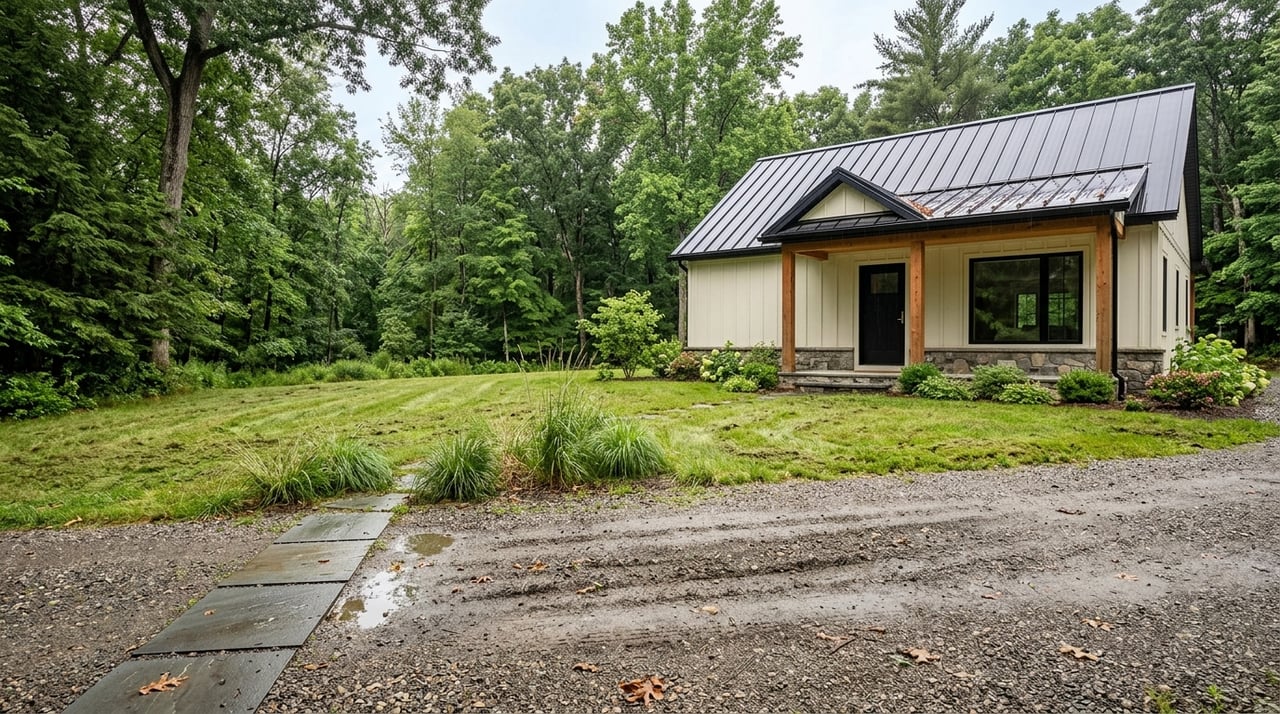
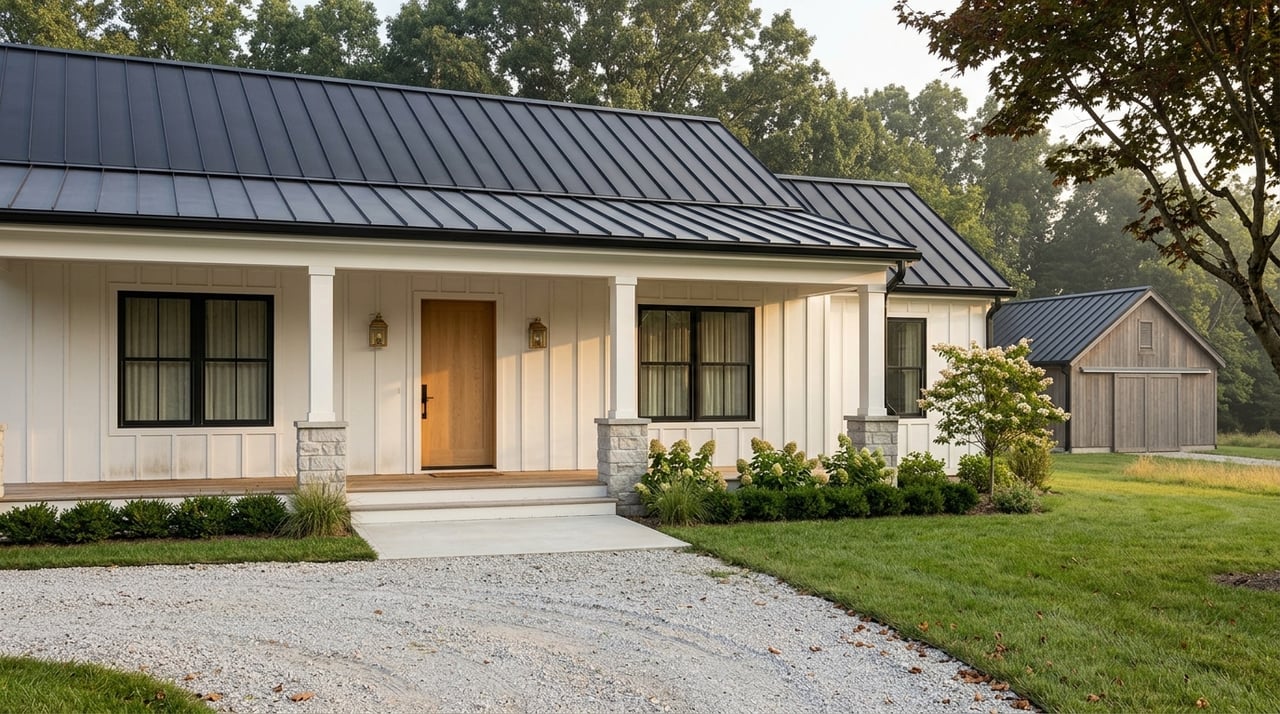
Rural buyers usually notice care and maintenance quickly. They are not just walking through the house. They are looking at the driveway, outbuildings, pasture, yard, and how manageable the property feels.
The good news is that simple, low-cost improvements can help your home present better without requiring a full renovation.
Focus on visible improvements first
Start with the basics that help the property read as cared for. In a rural market, clean presentation can make the home and land feel easier to own.
Before photos and showings, consider:
- Mowing and trimming around the home and road frontage
- Clearing access to barns, sheds, garages, and gates
- Removing clutter from porches, yards, and outbuildings
- Washing exterior surfaces where dirt or mildew is obvious
- Touching up visible paint damage
- Fixing minor issues buyers will notice right away
Organize outbuildings and land features
If your property includes barns, sheds, fencing, or pasture, make them easy to understand. Buyers should be able to see what is usable, what is storage, and what may need work.
A cluttered barn or overgrown fence line can make the whole property feel harder to evaluate. A clean, accessible setup helps buyers picture the land as an asset instead of a question mark.
Be careful if you plan to sell acreage separately
If you want to sell part of your acreage, do not wait until the listing is live to sort that out. In Nicholas County, subdivision rules matter for sewage-disposal purposes.
The Nicholas County Health Department permits land subdivisions for sewage disposal purposes and states that permitted lots need 10,000 square feet segregated for onsite sewage disposal. If the sale involves a lot split, additional acreage, or a tract intended for future building, it is important to confirm what is possible before marketing the property.
Why lot splits need early planning
A planned split can affect value, buyer interest, and timeline. If the remaining tract or the tract being sold needs to support future septic approval, you want to understand that early.
This is also where clear parcel mapping and deed review become important. Early planning can help prevent contract issues later.
Work with a local agent early
Rural sales have moving parts that do not always show up in a standard online estimate. Pricing, utility questions, acreage usability, document gathering, and showing logistics all matter.
That is why it helps to interview a local agent before you are ready to list. In West Virginia, real estate licensees must disclose in writing who they represent before a representation contract or a contract for the sale or purchase of real estate is signed.
Questions to ask before you hire an agent
A good interview can save you time and frustration later. Ask direct questions about how the property will be priced, marketed, and managed.
Useful questions include:
- Who will handle pricing and comparable sales analysis?
- Who will coordinate showings and buyer questions?
- How will the listing describe acreage, utilities, and outbuildings clearly?
- Who will help gather records for wells, septic, deeds, and maps?
- How will offers, negotiations, and closing details be managed?
For many rural sellers, local knowledge matters just as much as marketing quality. You want someone who understands the practical details that affect value in Nicholas County.
Keep your listing language factual and neutral
When marketing any home, listing language and showing practices should stay fair and compliant. West Virginia’s Fair Housing Act makes it unlawful to discriminate in selling, brokering, or appraising residential real property on protected grounds.
That means your listing should focus on the property itself. The best rural listings are clear, factual, and specific about features like acreage, access, utility setup, outbuildings, and condition.
Plan for closing costs and county recording
Closing a rural property sale is easier when deed, tax, and recording details are addressed early. West Virginia imposes an excise tax on the privilege of transferring title to real estate at $1.10 for each $500 of value or fraction thereof.
The deed is recorded through the County Clerk. If questions about deed history, parcel description, or tax mapping come up late, they can slow the closing process.
One small tax detail to remember
The Nicholas County Assessor lists a September 1 deadline for filing a farm report. If your property is taxed or used as farmland, that may be relevant as you prepare to sell.
This is another reason early review helps. A little preparation upfront can make your transaction smoother from contract to closing.
The best rural-home strategy in Nicholas County
If you want to sell a rural home well, think beyond the house itself. Buyers are evaluating the full picture, including land, access, utility systems, records, and overall upkeep.
The strongest approach is usually simple. Price from true comparable properties, organize your paperwork, clean up what buyers can see, and get local guidance early. In a market like Nicholas County, those steps can make your property easier to understand and easier to sell.
If you are thinking about selling in Nicholas County and want practical guidance on pricing, preparation, and marketing, connect with LILLYWOOD REALTY. You will get local, hands-on support built for the realities of rural property.
FAQs
How do I confirm well records for a Nicholas County home?
- Contact the Nicholas County Health Department, which keeps permanent water-well records that can be obtained through a Freedom of Information Act request.
How do I confirm septic records for a Nicholas County property?
- The Nicholas County Health Department keeps permanent sewage-system records, and it is the local office to contact for onsite sewage system information.
What should I do before selling part of my acreage in Nicholas County?
- Review the proposed split early because Nicholas County subdivision rules for sewage disposal may affect whether a tract can be marketed for future building use.
Which Nicholas County office handles deed recording and recorded documents?
- The Nicholas County Clerk’s office records deeds and wills and provides online access to recorded document indexing.
Which Nicholas County office handles parcel maps and assessed value?
- The Nicholas County Assessor maintains district tax maps with approximate property boundaries and determines assessed value for real and personal property.
What is a good pricing strategy for a rural home in Nicholas County?
- Compare your property to nearby sold homes with similar acreage, access, well and septic setup, outbuildings, and condition instead of relying on one county-wide average.
How should barns, sheds, fences, and pastureland be presented in a Nicholas County listing?
- Describe them factually, keep access clear, and make sure buyers can easily see how each feature contributes to the property’s usability.
What transfer tax applies when selling real estate in West Virginia?
- West Virginia imposes an excise tax of $1.10 for each $500 of value or fraction thereof on the transfer of title to real estate.