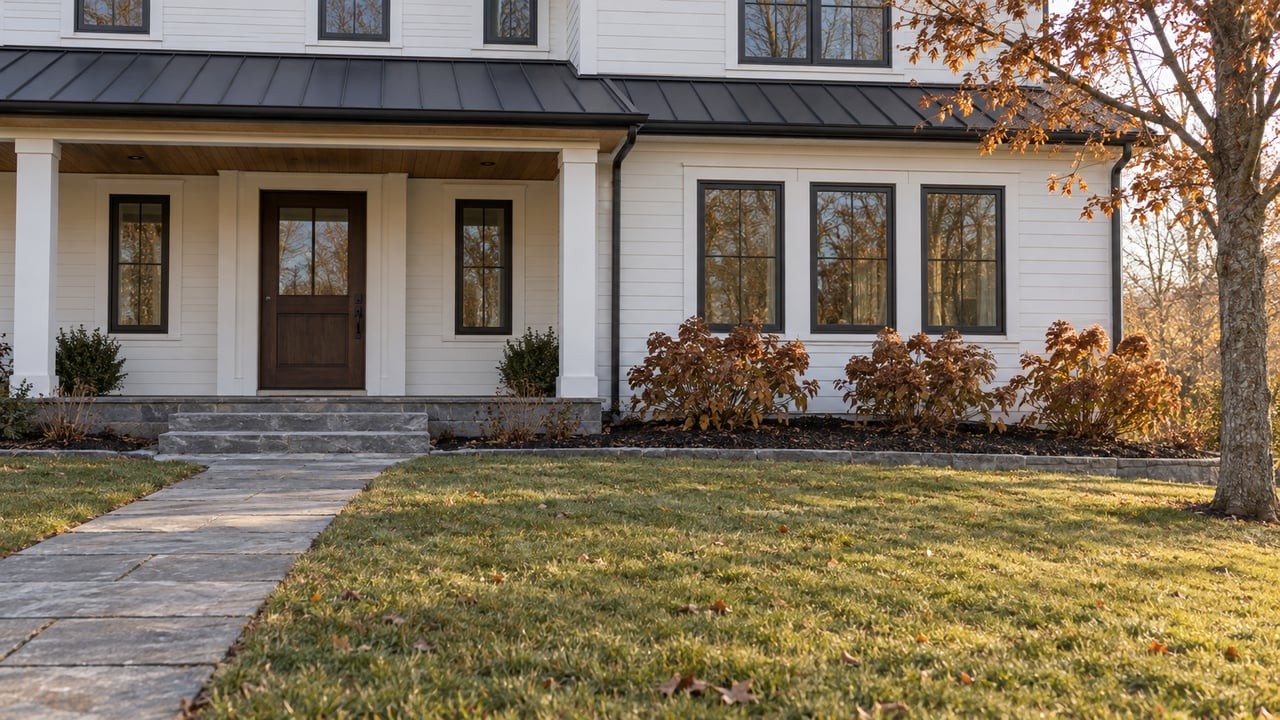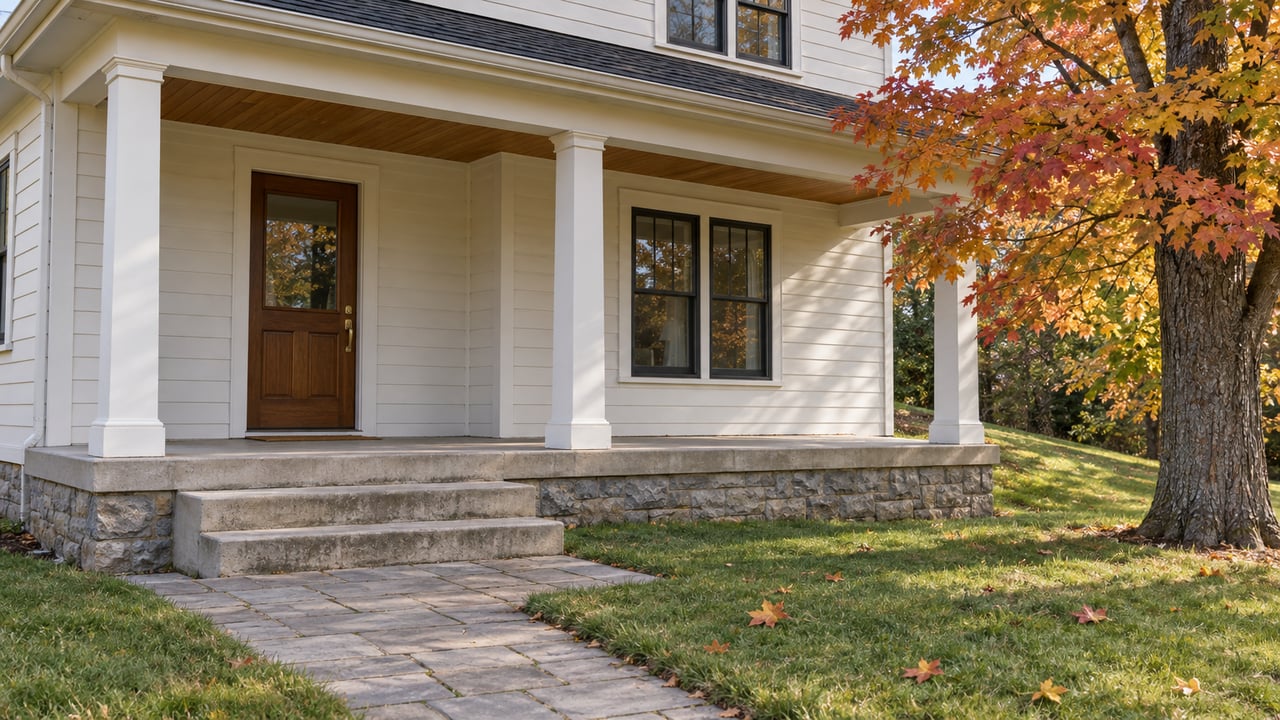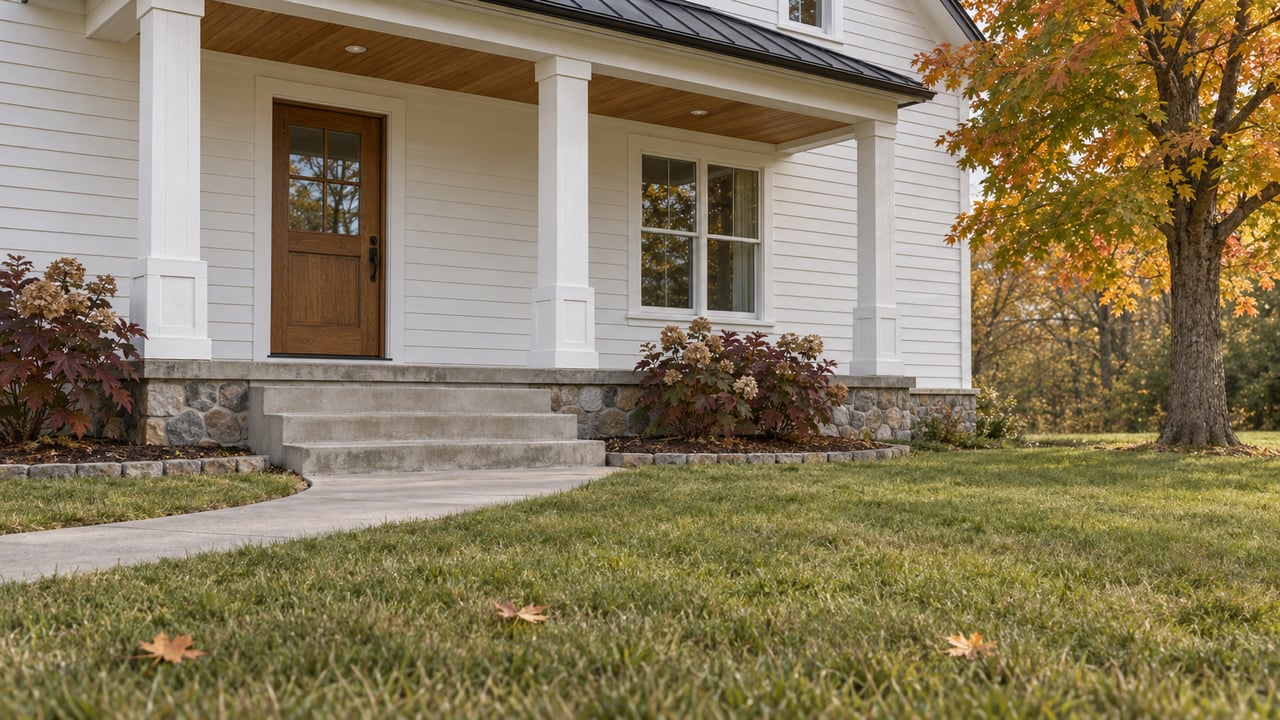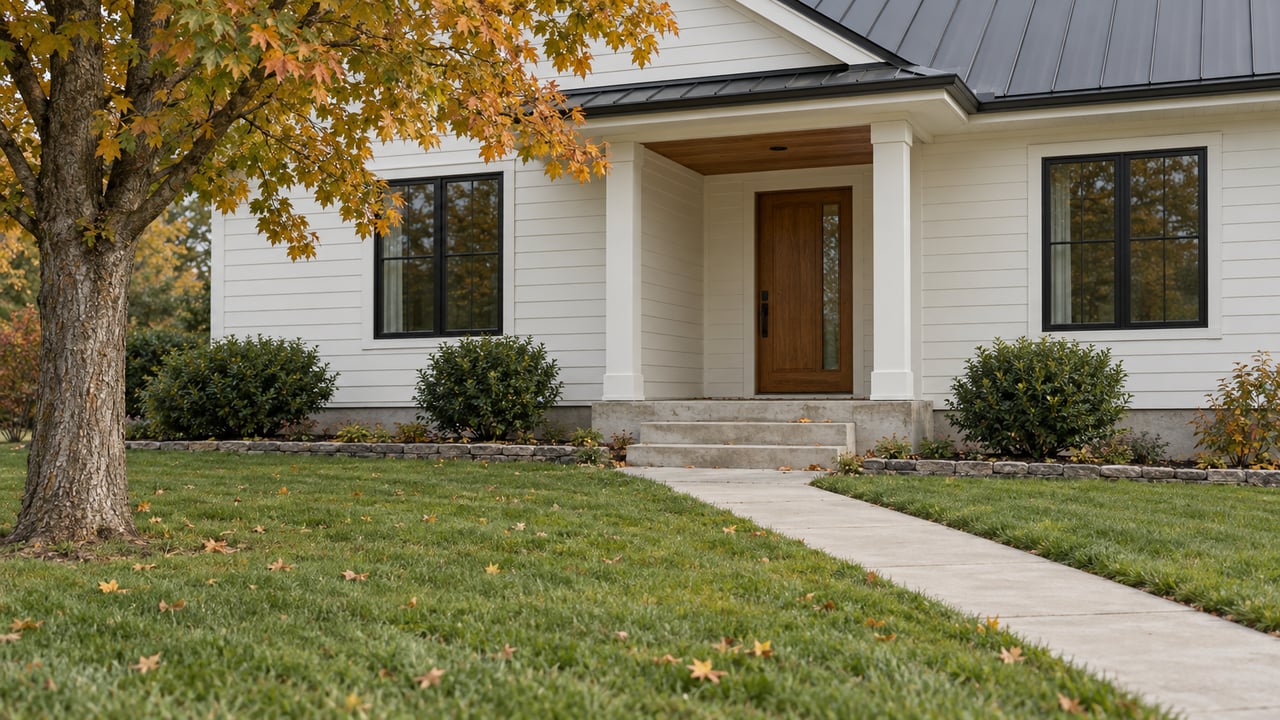
Thinking about buying a fixer in Pocahontas County and turning it into steady rental income? You are not alone. With modest home values and a tight-knit, rural market, the right upgrade plan can create a reliable asset. In this guide, you will learn how to size up local rents, check wells and septic systems, plan permits, budget upgrades, and choose between long-term and short-term strategies. Let’s dive in.
Know the market first
Before you swing a hammer, confirm demand and rent ceilings. Pocahontas County is small and aging, with about 7,653 residents, high owner occupancy around 83.6 percent, a median home value near $152,400, and a median gross rent of roughly $715. These figures signal fewer renters and a price-sensitive tenant pool. You can review the latest county snapshot in the U.S. Census Bureau’s QuickFacts to set expectations for lease-up and rent growth. See the county profile.
When you underwrite, cross-check HUD fair-market or program rents. Recent HUD tables place a typical two-bedroom FMR in the mid-800s for the county, which helps you model a conservative rent ceiling and understand voucher potential. If you are evaluating assisted tenancy or just want a safety margin, use HUD’s published limits as your top line. Review HUD HOME rent limits for WV.
Carrying costs matter too. Property taxes in Pocahontas County are modest compared with many areas, which can improve cash flow if your rehab budget stays in line. For context on county-level tax burdens across the country, check the Tax Foundation’s data. Explore property tax context.
Choose your strategy: long-term or short-term
Pocahontas County has two distinct rental plays. Long-term rentals fit best where there is steady local employment and year-round demand. Rents are grounded by local incomes, so underwriting should be conservative.
Short-term rentals can perform near resort and outdoor nodes, especially around the Snowshoe area and trail access. If you pursue an STR, confirm business licensing, lodging or occupancy taxes, and any safety inspection requirements with the town and the county. Rules vary by municipality, so never assume countywide approval.
Inspect before you buy
A fixer becomes a rental only if the systems support safe occupancy. In rural West Virginia, that means you verify wells, septic, and basic structure before anything cosmetic.
Systems and structure
Start with the big-ticket risks. Look at the roof, foundation, and any signs of movement or sagging. Evaluate heat, ventilation, and water heating, since many rural homes rely on oil or propane systems that may be at end of life. Check the electrical panel size and wiring type, and plan for breaker upgrades if you see knob-and-tube or creative DIY work. Confirm plumbing pressure, leaks, and materials.
Private wells and on-site sewage
If the home uses a private well, confirm permit history, drilling records, and water quality. West Virginia requires specific well forms and certified drillers. Ask the County Health Department for existing files and tests before you close. Review WV’s individual water supply guidance.
For septic systems, document permit history, the drainfield’s condition, and whether the system is conventional or an alternative design. Replacement or repairs can take time and require certified installers. Budget for a full septic inspection and be ready for upgrades on older systems. See WV’s on-site wastewater program.
Environmental and floodplain checks
For homes built before 1978, any paid work that disturbs painted surfaces must follow the EPA’s Renovation, Repair and Painting rules. If that applies to your project, hire an EPA-certified firm. Learn about the EPA RRP program.
Confirm whether the parcel lies in a floodplain and review county floodplain ordinances and permitting steps. This can affect your insurance, renovation scope, and required elevations. Start with the Pocahontas County Commission for maps and local rules. Visit the Pocahontas County Commission.
Permits, code adoption, and STR rules
West Virginia maintains a State Building Code that local jurisdictions may adopt and enforce. Adoption can vary by county and town. Ask the Pocahontas County Commission and, if needed, the State Fire Marshal whether the State Building Code applies at your address and which inspections are required. If you plan a short-term rental, confirm business licensing and lodging tax obligations with the town clerk and the county before you invest in furnishings.
Budget smart: scope and costs
Your renovation plan should start with safety and habitability, then work outward to finishes. National benchmarks can help with high-level planning while you collect local bids. Remodeling’s Cost vs. Value 2024 places a midrange bath around $25,000, a minor kitchen near $27,000, and a major kitchen near $74,000. Recapture rates vary, so prioritize items that unlock occupancy or rent growth. View the Cost vs. Value reference.
Follow this practical priority order for a rental conversion:
- Repair or replace systems that block occupancy: septic, well, heating, major electrical hazards, and roof leaks.
- Safety and compliance: smoke and CO detectors, safe egress, required handrails, and any code-driven corrections.
- Function and habitability: reliable heat and hot water, a working kitchen, and a clean, functional bath.
- Tenant-facing cosmetics: paint, durable flooring, lighting, and cabinet refresh.
- Value adds: new appliances, basic energy upgrades, and exterior work that reduces maintenance.
Include a 10 to 20 percent contingency. Older rural homes often hide surprises once you open walls or excavate. When you underwrite, use HUD FMRs and local comps to model a conservative rent, and maintain 6 to 12 months of cash reserves for vacancy and turnover.
Permits, team, and timelines in Pocahontas County
Start with the county for local approvals and site-specific rules. The Pocahontas County Commission can guide you on permitting, zoning questions, floodplain rules, and whether building code inspections apply at your address. If the property is inside a municipality, call the town clerk as well. Find the Commission’s site here.
Well and septic approvals flow through the West Virginia Department of Health and Human Resources’ Office of Environmental Health Services, with applications and records available through the county health department. If you need prior well logs, water testing guidance, or septic permit files, contact them early so you can budget accurately. Locate DHHR field offices.
When you select contractors, use this checklist:
- Confirm WV licenses or certifications where required, including certified well drillers, septic installers, and licensed electricians.
- Request proof of liability insurance and recent local references with photos.
- Ask for written, fixed-scope proposals with a clear payment schedule and a written warranty.
- For pre-1978 homes, confirm the contractor understands EPA RRP lead rules and can provide certification if paint disturbance is planned. Review RRP requirements.
Three common paths to rentals
1) Cosmetic refresh to long-term rental
If systems are sound, focus on clean, durable finishes that show well online and in person.
Quick checklist:
- Inspections to order: general home inspection, electrical safety review, and basic plumbing check. If on private utilities, add well water test and septic inspection.
- 3 local contacts to call: Pocahontas County Commission for permitting questions, the County Health Department for any well or septic records, and one licensed septic or well contractor for a quick scope and quote.
- Always verify whether the State Building Code is adopted for your address and whether any permits or inspections are required.
2) System-heavy conversion
If the property needs a new septic, well work, HVAC replacement, or major electrical upgrades, build a larger capex plan and a longer timeline.
Quick checklist:
- Inspections to order: septic dye or camera test, well yield and full panel water test, HVAC evaluation, and electrical load calculation.
- 3 local contacts to call: County Health Department for prior permits and installer lists, Pocahontas County Commission for code adoption and any floodplain steps, and a certified installer or driller for firm bids.
- Confirm whether temporary occupancy or inspection staging is required before tenants move in.
3) STR repositioning near resort nodes
If you are targeting short-term guests near Snowshoe or trail access, plan for safety, licensing, and ongoing management.
Quick checklist:
- Inspections to order: general home inspection, smoke and CO detector placement review, egress and handrail check, and electrical safety review. If on private utilities, include well and septic tests.
- 3 local contacts to call: municipal clerk where the property sits for STR permits and lodging tax, Pocahontas County Commission for countywide rules, and your insurance agent for short-term rental coverage.
- Verify STR approvals, registration steps, and applicable occupancy or lodging taxes before purchasing furniture or marketing the listing.
Lease-up basics and operations
For long-term rentals, make your application, lease, and deposit process match West Virginia law. West Virginia Code §37-6A-2 outlines permissible uses of a residential security deposit and the timeline and conditions for returning it. Build your lease-up checklist around those requirements. Read WV Code §37-6A-2.
For both long-term and short-term rentals, plan for rural logistics. Vendor lead times can be longer, winter access can slow turnovers, and travel charges may be higher. Stock basic maintenance parts, schedule seasonal service early, and budget reserves so a well pump, septic repair, or heat outage does not derail cash flow.
Your next steps
- Order a thorough home inspection. If the home has a private well or septic, order dedicated well and septic inspections and water testing.
- Contact the Pocahontas County Commission for permitting, floodplain, and code enforcement questions. If inside a town, call the municipal clerk too. Start with the Commission.
- Request at least three written contractor bids. Verify certifications for well drillers, onsite sewage installers, and EPA RRP renovators for pre-1978 work. See WV well guidance for context.
- Underwrite conservatively. Use HUD rent limits and local comps, include a 10 to 20 percent rehab contingency, and hold 6 to 12 months of operating reserves. Check HUD WV rent limits.
If you want local, renovation-savvy guidance as you evaluate properties and build a step-by-step plan, reach out to LILLYWOOD REALTY to start your search with a local expert.
FAQs
What are typical Pocahontas County rents when underwriting a fixer-to-rental plan?
- The median gross rent is about $715, and HUD’s typical two-bedroom fair-market rent is in the mid-800s. Use these as conservative ceilings when modeling. Census QuickFacts and HUD WV rent limits provide reference points.
How do I confirm if a well or septic system is permitted in Pocahontas County?
- Request records from the County Health Department and review WV DHHR guidance for wells and on-site wastewater. Ask for prior permits, well logs, water tests, and any installer notes. DHHR field offices can point you to local contacts.
Do I need permits or inspections to renovate a fixer in Pocahontas County?
- West Virginia’s State Building Code may apply if adopted locally. Call the Pocahontas County Commission and, if needed, the State Fire Marshal to confirm adoption, permit requirements, and inspections at your address. County Commission contact.
How can I check floodplain status and rules before I buy?
- Start with the Pocahontas County Commission for floodplain maps and local ordinances. A floodplain designation can affect permits, insurance, and elevation requirements. Visit the County Commission.
What rules cover security deposits for West Virginia rentals?
- West Virginia Code §37-6A-2 sets the permissible uses of a residential security deposit and outlines return timelines and conditions. Review the statute and set your lease process to comply. Read the statute.