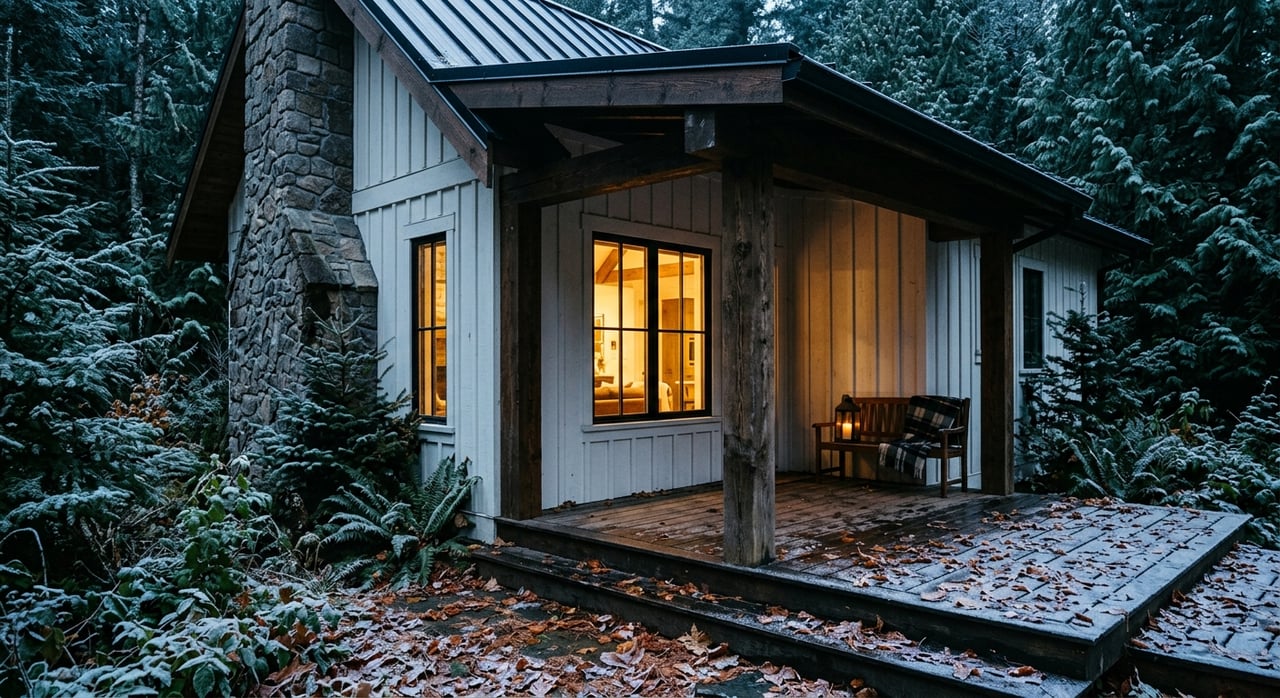
Dreaming about a cabin near Snowshoe usually starts with the fun part: snowy weekends, mountain views, and a place that feels like an escape. But if you are thinking seriously about owning in Pocahontas County, it helps to know that the day-to-day experience is shaped by more than ski season alone. From winter traffic patterns to spring quiet spells and summer adventure, here is what cabin ownership near Snowshoe can really look like. Let’s dive in.
Cabin life centers on the seasons
Owning near Snowshoe means your year often follows the mountain’s calendar. Snowshoe sits at 4,848 feet and reports more than 150 inches of average annual snowfall, which is a big reason winter has such a strong pull for owners and visitors alike. If you picture your cabin as a base for ski weekends, that expectation lines up with how the area actually functions.
Winter is the clearest high season. Snowshoe’s 2025/26 winter season ran from December 5 through March 22, with especially busy periods around Christmas and New Year, Martin Luther King Jr. weekend, and Presidents Day. If you own nearby, you can expect those holiday stretches to feel much busier than an average weekend in a non-resort market.
Midweek can feel very different. Snowshoe highlights lighter lift lines and more open terrain during the middle of the week, and even markets passes built around Monday through Thursday access. For some owners, that becomes one of the biggest perks of ownership: you can plan around the crowds instead of competing with them.
Winter ownership means planning ahead
A cabin near Snowshoe can be a great retreat, but mountain ownership comes with practical habits. The resort notes that cell service can be spotty in some areas, and it encourages travelers to know their route and check road conditions before leaving. That means offline maps, printed directions, and flexibility with winter travel are not overkill here. They are part of the routine.
Location also matters more than many buyers expect. Snowshoe is made up of several neighborhoods across the mountain rather than one small, walkable village. Depending on where you buy, you may drive more often, walk to amenities, or rely on the resort’s weekly off-mountain shuttle service from Marlinton, Greenbrier Valley Airport, and Lewisburg.
That difference can shape your ownership experience. A property that feels perfect for quick ski access may live differently than one chosen for privacy, parking, or a quieter setting. When you tour homes, it helps to think about how you will actually use the place on a snowy Friday night or a busy holiday weekend.
Cabin styles vary more than you may expect
A lot of buyers say they want a “cabin,” but near Snowshoe that can mean several different property types. The local inventory can include cabins, resort homes, condos, townhomes, and lodge-style units. Snowshoe’s own lodging examples show that amenities can range from full kitchens and fireplaces to private hot tubs, ski and bike storage, balconies, and A/C in some units.
That variety matters because not every mountain property offers the same comfort level. For example, Loggers Run townhomes include private decks, single-car garages, full kitchens, gas fireplaces, and high-speed internet. Other options, like Overlook Village, are described as peaceful and quiet, with parking, Wi-Fi, a community hot tub, coin-operated laundry, and no A/C.
The takeaway is simple: there is no single Snowshoe ownership template. Some properties are built for large family gatherings, while others are better for low-key weekend use. If you are shopping in Pocahontas County, it is worth comparing features closely instead of assuming every mountain home will function the same way.
The quiet season is real
One of the biggest surprises for some buyers is how much the pace changes outside peak windows. Snowshoe’s homeowner information notes that from March 23 through May 20, many retail and dining locations are closed, even though guests can still hike and enjoy a quieter mountain stay. That makes late spring feel more like a reset period than a full-service resort season.
For some owners, that is a plus. If your goal is rest, fireplace weekends, or time away from busy routines, the shoulder season may be part of the appeal. But if you are expecting every restaurant, shop, and activity to run at full speed year-round, you will want to set your expectations clearly.
This is one reason local guidance matters. A property that feels ideal for winter and summer could feel very different during the spring transition, especially if your buying decision depends on convenience and activity access.
Summer and fall still give you reasons to go
Snowshoe is not just a winter destination. The resort’s summer operations show a much broader mix of warm-weather activities, including the bike park, golf, lake activities, hiking, and off-road tours. For many owners, that makes the property useful in more than one season.
Summer and early fall have a different rhythm than winter. Lodging and dining operate daily from late May through mid-October, while some activities and retail shift to Thursday through Sunday in parts of the fall schedule. In practical terms, that often means warm-weather use is active and enjoyable, but it may not carry the same intensity as peak ski holidays.
That broader seasonal use can be a real advantage if you want more than a winter-only property. A cabin here can support ski weekends, mountain biking trips, golf outings, and laid-back fall stays without needing a separate second-home strategy.
Pocahontas County adds year-round appeal
Part of owning near Snowshoe is having access to more of Pocahontas County, not just the resort. If you like outdoor recreation, the area gives you several ways to use your property in different seasons.
Nearby options include:
- Watoga State Park, with 10,100 acres, cabins, hiking, fishing, and boating
- The Greenbrier River Trail, a 78-mile rail trail for hiking, biking, and horseback riding
- Cass Scenic Railroad State Park, which offers train excursions plus biking, kayaking, fishing, and hiking
- Beartown State Park for short scenic outdoor visits
That mix helps explain why some owners use their property for far more than ski trips. A place near Snowshoe can work for family getaways, fishing weekends, biking trips, and quieter stays when the resort is less busy.
Ownership often becomes a lifestyle decision
People usually start by asking whether a cabin near Snowshoe is “worth it.” In reality, the better question is whether the ownership pattern fits your life. If you want frequent mountain weekends, holiday gatherings, and a property you can enjoy across several seasons, the area offers a strong use case.
Some owners also take advantage of Snowshoe’s homeowner support system. The resort’s Owner Resource Center includes an owner portal, reservation calendars, work orders, homeowner relations contacts, and information on owner benefits and discounts. That suggests ownership here can involve a more structured, hands-on rhythm than a simple occasional getaway.
It also means your buying decision should go beyond looks and square footage. You may want to think through access, parking, storage, maintenance, internet, heating and cooling, and how often you expect to visit in winter versus summer.
What buyers should think through first
Before you buy a cabin or mountain home near Snowshoe, focus on how you plan to use it. A practical checklist can help you narrow your search faster.
Ask yourself:
- Do you want easier ski access, or do you prefer a quieter setting?
- Will you mostly visit on weekends, holidays, or midweek?
- Do you need space for extended family or guests?
- Are features like parking, hot tubs, fireplaces, A/C, or storage must-haves?
- How comfortable are you with mountain driving and spotty cell service?
- Do you want a place mainly for winter, or for year-round use?
These questions sound simple, but they can quickly separate a fun idea from the right fit. In a mountain market like Pocahontas County, lifestyle details often matter as much as the property itself.
If you are exploring cabins, condos, resort homes, or other mountain properties near Snowshoe, working with a local team can help you compare options realistically and keep the process grounded in how you will actually use the home. When you are ready to start your search with a local expert, connect with LILLYWOOD REALTY.
FAQs
What is winter like for cabin owners near Snowshoe in Pocahontas County?
- Winter is the busiest season, with Snowshoe’s calendar centered on ski demand, holiday traffic, and strong snowfall at high elevation.
What kinds of cabins and mountain homes are available near Snowshoe?
- Buyers may find cabins, resort homes, condos, townhomes, and lodge-style units, with amenities and comfort levels varying widely by property and neighborhood.
Is Snowshoe only a winter destination for cabin owners?
- No. Snowshoe also offers summer and fall activities like biking, golf, lake recreation, hiking, and off-road tours.
What should buyers know about getting to a cabin near Snowshoe?
- Owners should expect mountain travel conditions, possible spotty cell service, and different access patterns depending on whether the property is on the mountain or off-mountain.
What is the spring season like for property owners near Snowshoe?
- Late spring is generally quieter, and Snowshoe notes that many retail and dining locations are closed during part of the March-to-May transition period.
Why do people own cabins near Snowshoe beyond skiing?
- Many owners use their properties for year-round recreation, including biking, hiking, fishing, family getaways, and visits to nearby Pocahontas County attractions.