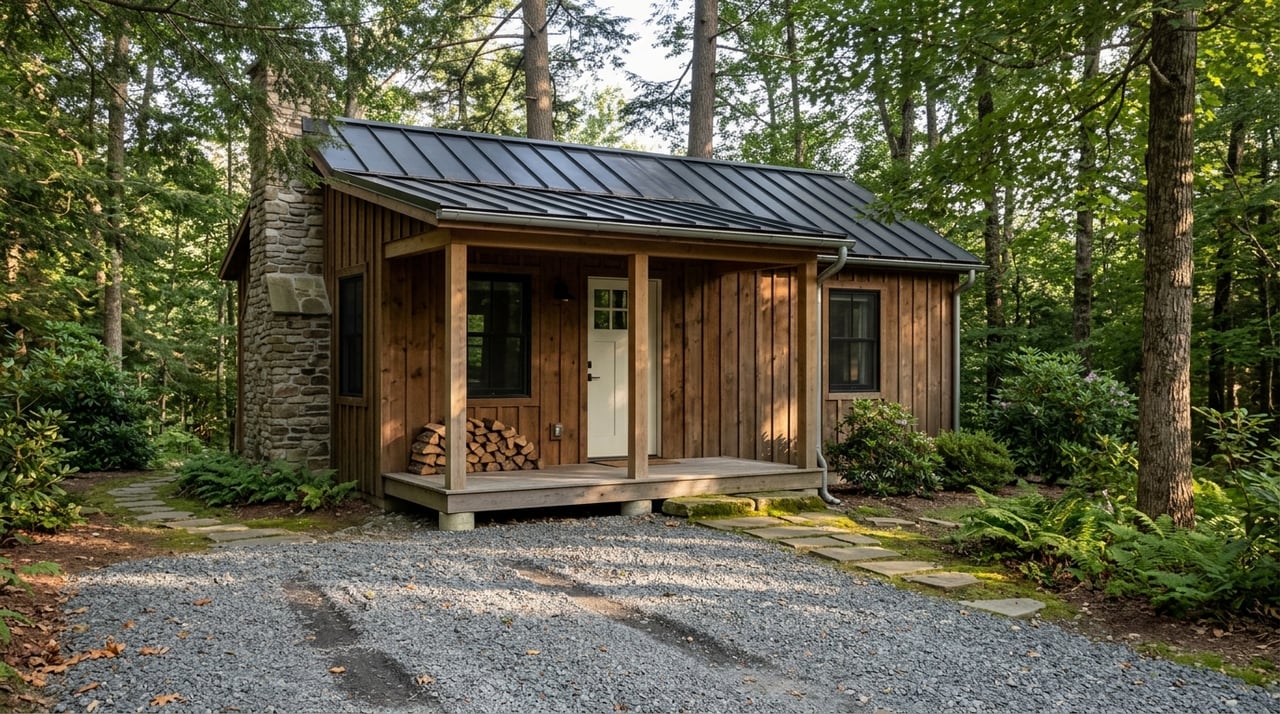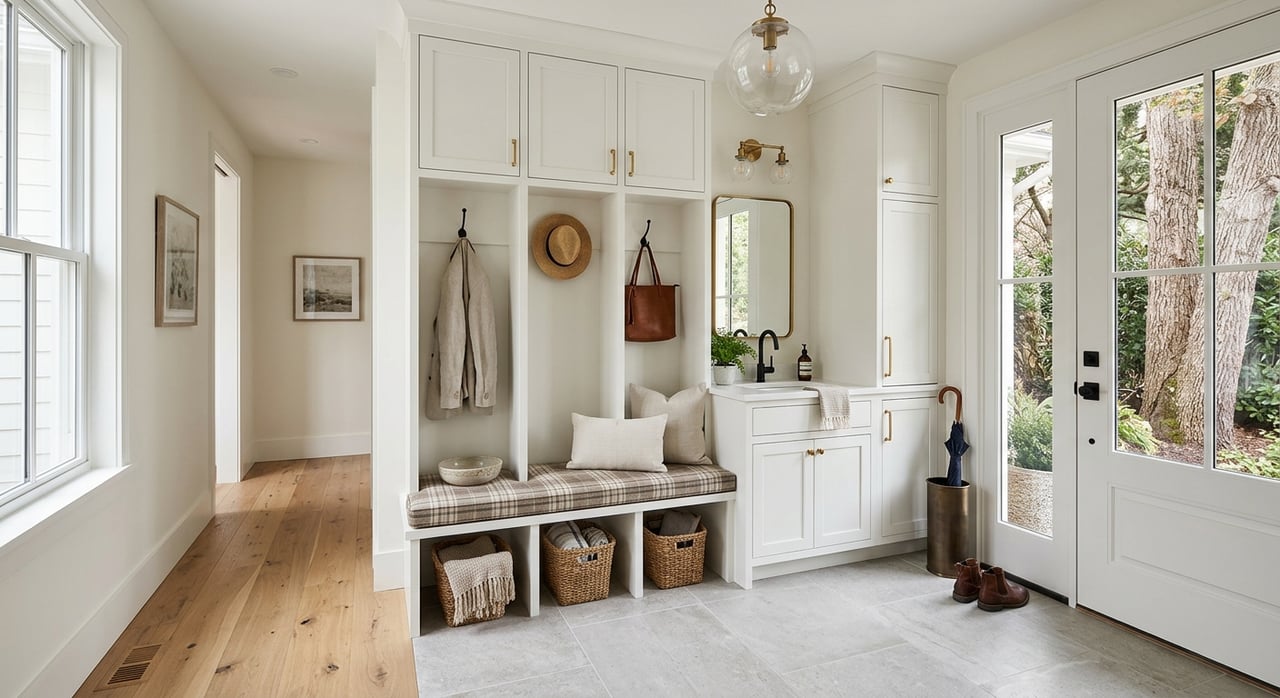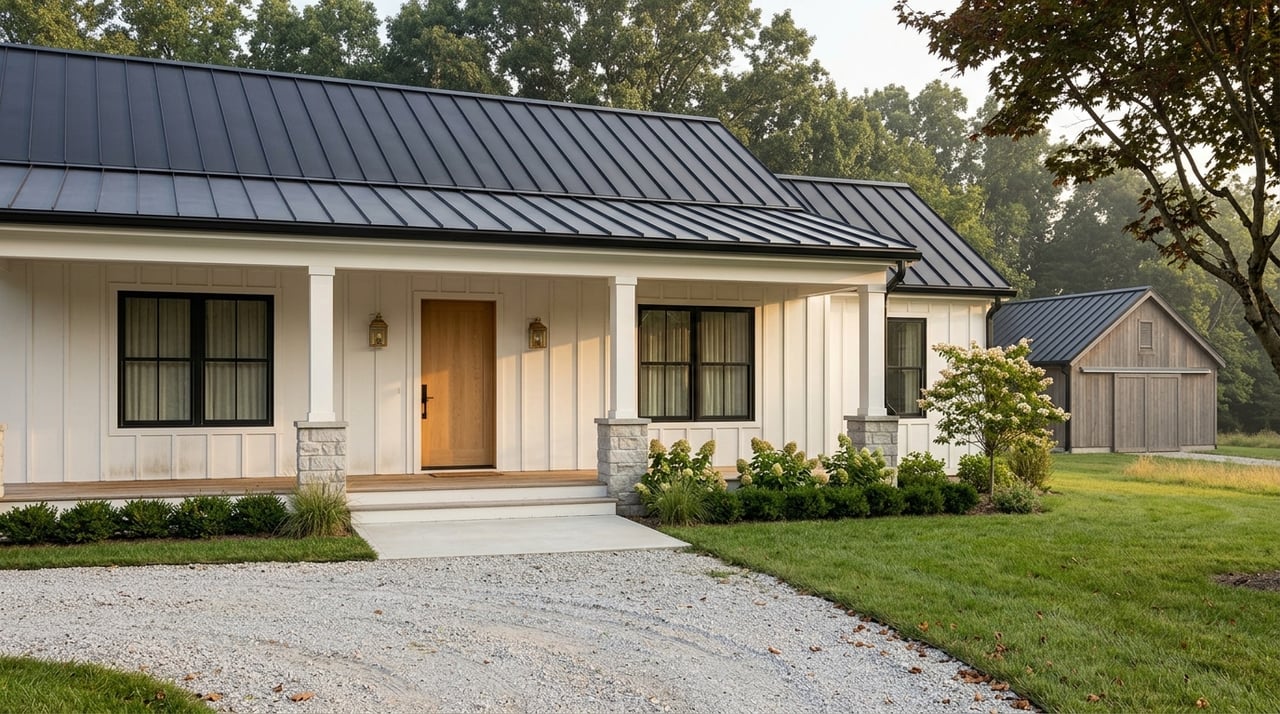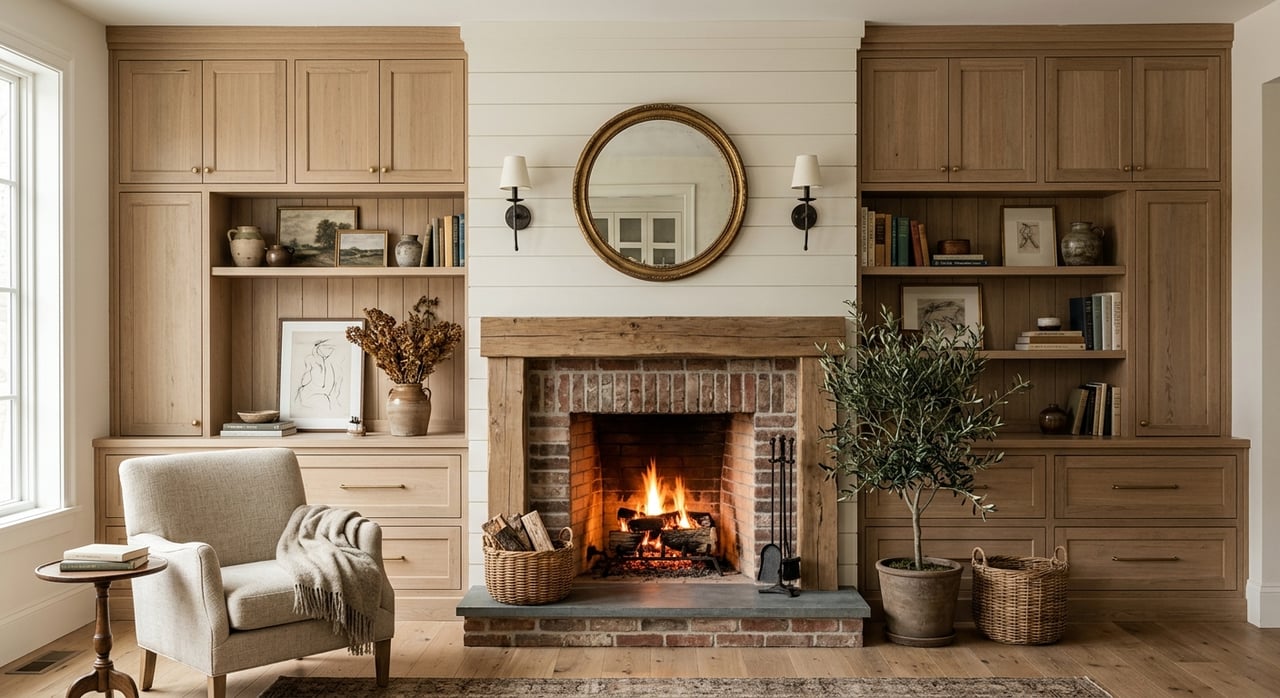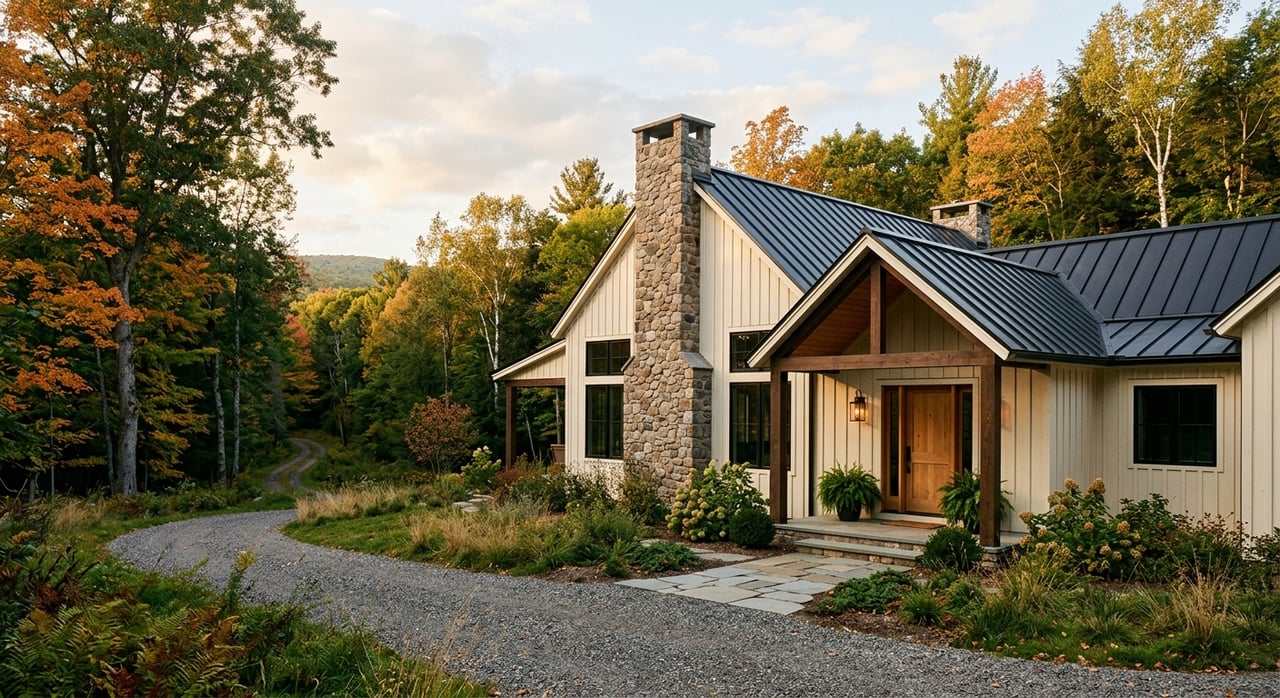
Dreaming about a place where weekends feel longer, mornings start with mountain air, and your home base puts trails, fishing, and small-town charm within reach? If you are thinking about owning a mountain retreat in Greenbrier County, you are not alone. This part of West Virginia offers a real mix of outdoor access, rural privacy, and practical ownership appeal, and knowing what to expect can help you buy with more confidence. Let’s dive in.
Why Greenbrier County Fits Retreat Living
Greenbrier County has the kind of setting many retreat buyers picture when they start their search. The county covers about 1,021 square miles in the Alleghany Mountains, with Lewisburg and White Sulphur Springs serving as two major lifestyle anchors. It is also connected by Interstate 64, U.S. 60, and U.S. 219, which matters when you want a mountain property that still feels reachable.
The area is rural, but it is not isolated in the way some buyers fear. Greenbrier County had an estimated 31,851 residents in mid-2024, 17,999 housing units, and a population density of 32.3 people per square mile. That low-density feel is part of the appeal if you want breathing room, views, and a slower pace.
Outdoor recreation and tourism are two of the county’s most important resources, according to county government. That supports what many buyers are really looking for in a retreat property: a home that works as a launch point for long weekends, seasonal escapes, and time outside. In Greenbrier County, that lifestyle is tied to the landscape, not just to one resort or one season.
What Drives Retreat Demand
One of the clearest signs that this region works for second-home ownership comes from the broader West Virginia Housing Development Fund Region 4 data, which includes Greenbrier County. In that region, 48% of vacant housing units are held for seasonal, recreational, or other occasional use. That is a meaningful signal that retreat-style ownership is already part of the local housing pattern.
The same regional report notes that Greenbrier and Pocahontas counties benefit from luxury resorts, forests, and outdoor recreation opportunities. In plain terms, that helps explain why buyers often see this area as more than a place for full-time living. It has the ingredients that make a weekend or seasonal property feel practical and enjoyable.
That does not mean inventory is always easy to find. The report also says less than 4% of all Region 4 housing units are available for sale or rent, which points to limited turnover. If you have been watching the market and wondering why mountain cabins and small-acreage homes can feel scarce, that broader shortage is part of the story.
What Homes You Are Most Likely to Find
If you are picturing a dense condo market, Greenbrier County may surprise you. Region 4 housing is overwhelmingly single-family, with 92% of homes falling into that category. That includes 75% detached site-built homes and 16% mobile or manufactured homes, while multifamily housing makes up only 8%.
For many retreat buyers, that is good news. It means the local market is better known for detached homes, older houses with character, and properties on small or multi-acre lots than for high-density vacation buildings. If your goal is privacy, outdoor space, or room for gear and guests, the housing mix supports that search.
You should also expect many homes to have some age. About 70% of the region’s housing was built before 1990, and the state report notes that these homes need regular maintenance and periodic upgrades. In a retreat market, that can create opportunity, but it also means you should look closely at systems, structure, and seasonal durability.
As broad ownership context, Census QuickFacts reports a median owner-occupied home value of $149,000 in Greenbrier County. Median selected monthly owner costs are listed at $1,180 with a mortgage and $392 without a mortgage. These figures are useful for countywide context, but they should not be treated as a price guide for any specific mountain retreat.
The Lifestyle That Makes Ownership Worth It
A mountain retreat only works if you will actually want to use it, and Greenbrier County gives you plenty of reasons to come back often. Greenbrier State Forest covers more than 5,100 acres and offers fishing, swimming, hiking, and mountain biking. It also includes 14 cabins available from April through October and a 16-unit campground, which shows just how established the area’s recreation culture is.
The forest is also described by West Virginia State Parks as a base camp for bicyclists using the neighboring Greenbrier River Trail. That trail stretches 78 miles along a former railroad corridor and supports hiking, biking, and horseback riding, with fishing also popular along the river. For a retreat owner, that opens the door to long weekends that feel full without needing a packed itinerary.
Another advantage is variety. You can spend the day in nature and still head into Lewisburg or White Sulphur Springs for shopping, dining, and the arts. White Sulphur Springs is also home to the Greenbrier Resort and Spa, which adds another lifestyle layer to the county’s appeal.
That balance matters. Some buyers want seclusion, but most also want options. Greenbrier County gives you a realistic mix of woods, trails, town amenities, and established destinations, which is a big reason retreat ownership here feels sustainable instead of novelty-driven.
Practical Questions to Ask Before You Buy
In a rural mountain market, a beautiful setting is only part of the equation. You also need to understand how a property functions day to day and season to season. Greenbrier County’s planning and health requirements make that especially important.
The county planning office states that building permits generally require septic and well permits unless public water and sewer are available. New access to public roads also requires a West Virginia Division of Highways driveway permit. If you are considering vacant land, a fixer-upper, or a home with expansion plans, these details matter early.
The county health department approves and inspects onsite septic systems and water wells, and it requires applications before work begins. It also recommends pumping septic tanks every 3 to 5 years. For retreat buyers, that is a reminder to verify more than square footage and views.
Before you move forward, ask clear questions about:
- Water source and well history
- Septic permit status and service records
- Driveway access and maintenance responsibility
- Heating system type and age
- Roof condition and drainage
- Internet availability and service quality
These are not small details in a mountain property. They shape your day-to-day comfort, your maintenance budget, and how turnkey the home really is.
Weather Matters More Than You Think
Greenbrier County’s climate is part of its charm, but it also affects ownership. NOAA climate normals for Lewisburg 3 N show a mean annual temperature of 50.7°F, annual precipitation of 41.46 inches, and annual snowfall of 29.5 inches. January averages 29.3°F, while July averages 71.0°F.
That range supports four-season use, which is great for buyers who want more than just a winter or summer getaway. At the same time, county permit criteria reference a 30 psf ground snow load and frost-related design considerations. In practical terms, roofs, drainage, foundations, and winter access deserve serious attention.
If a home has a steep driveway, limited sun exposure, or deferred exterior maintenance, seasonal weather can turn a charming retreat into a demanding one. During showings and inspections, pay close attention to grading, runoff, snow management, and how easily you can get in and out during colder months.
Internet, Access, and Everyday Function
Many retreat buyers want a place that can double as a work-friendly escape. That is possible in Greenbrier County, but you should verify it instead of assuming it. Census QuickFacts reports broadband subscriptions for 83.6% of households, which is helpful context but not a guarantee for any individual property.
Service can vary from one road to the next, especially in rural terrain. If internet access matters to you, confirm what is actually available at the address before you buy. The same goes for cell service, delivery access, and road conditions.
This is where local guidance becomes especially valuable. In a rural market, two homes that look similar online can function very differently in real life. A practical review of utilities, access, and maintenance needs can save you from buying a retreat that feels harder to own than expected.
How to Buy Smarter in a Tight Market
With limited available housing in the broader region, mountain-retreat buyers benefit from a focused plan. Waiting for a perfect listing to appear without doing prep work can leave you behind when the right property finally hits the market. A better approach is to know your priorities before you start touring.
Think about your retreat goals in concrete terms. Are you looking for a low-maintenance weekend base near recreation, a small-acreage home with privacy, or an older property with room for updates? Your answer will shape which tradeoffs make sense.
It also helps to separate wants from must-haves. A great view may matter, but year-round access, working utilities, and manageable upkeep usually matter more over time. The best retreat purchases tend to balance emotion with property fundamentals.
Why Local Insight Makes a Difference
Buying in Greenbrier County is not just about finding a pretty house in the mountains. It is about understanding rural housing stock, seasonal use, infrastructure, and the realities of older homes. That is where working with a brokerage that knows this part of West Virginia can make the process smoother.
Lillywood Realty’s approach fits buyers who want clear guidance, practical answers, and local perspective. With experience across neighboring rural counties and a strong understanding of homes with wells, septic systems, acreage, and renovation potential, the team helps you look beyond the listing photos. That kind of support is especially valuable when you are weighing a retreat property that may need updates or extra due diligence.
If you are considering a mountain retreat in Greenbrier County, the goal is not just to buy something scenic. It is to buy something that works well for the way you actually want to live, visit, and maintain it over time. When you match the lifestyle vision with smart property evaluation, you put yourself in a much better position to enjoy the purchase for years to come.
If you are ready to explore mountain homes, small-acreage properties, or renovation opportunities in Greenbrier County, start your search with a local expert at LILLYWOOD REALTY.
FAQs
What makes Greenbrier County appealing for a mountain retreat?
- Greenbrier County offers mountain scenery, outdoor recreation, access to Lewisburg and White Sulphur Springs, and a regional pattern of seasonal and occasional-use homes that supports retreat ownership.
What types of retreat properties are common in Greenbrier County?
- The broader region is dominated by single-family housing, especially detached site-built homes, along with some manufactured homes, so buyers are more likely to find houses on individual lots than condo-style properties.
What should buyers check before purchasing a rural retreat in Greenbrier County?
- You should confirm well and septic details, driveway access, heating systems, roof and drainage condition, winter access, and internet availability before moving forward.
How does weather affect mountain home ownership in Greenbrier County?
- With average annual snowfall of 29.5 inches and frost and snow-load considerations in county permit criteria, buyers should pay close attention to roofs, drainage, driveways, and seasonal accessibility.
Is Greenbrier County a good fit for part-time or seasonal use?
- Yes. Regional housing data shows a strong share of homes used for seasonal, recreational, or occasional purposes, and the area’s trail, forest, fishing, and town amenities support frequent weekend and shoulder-season use.