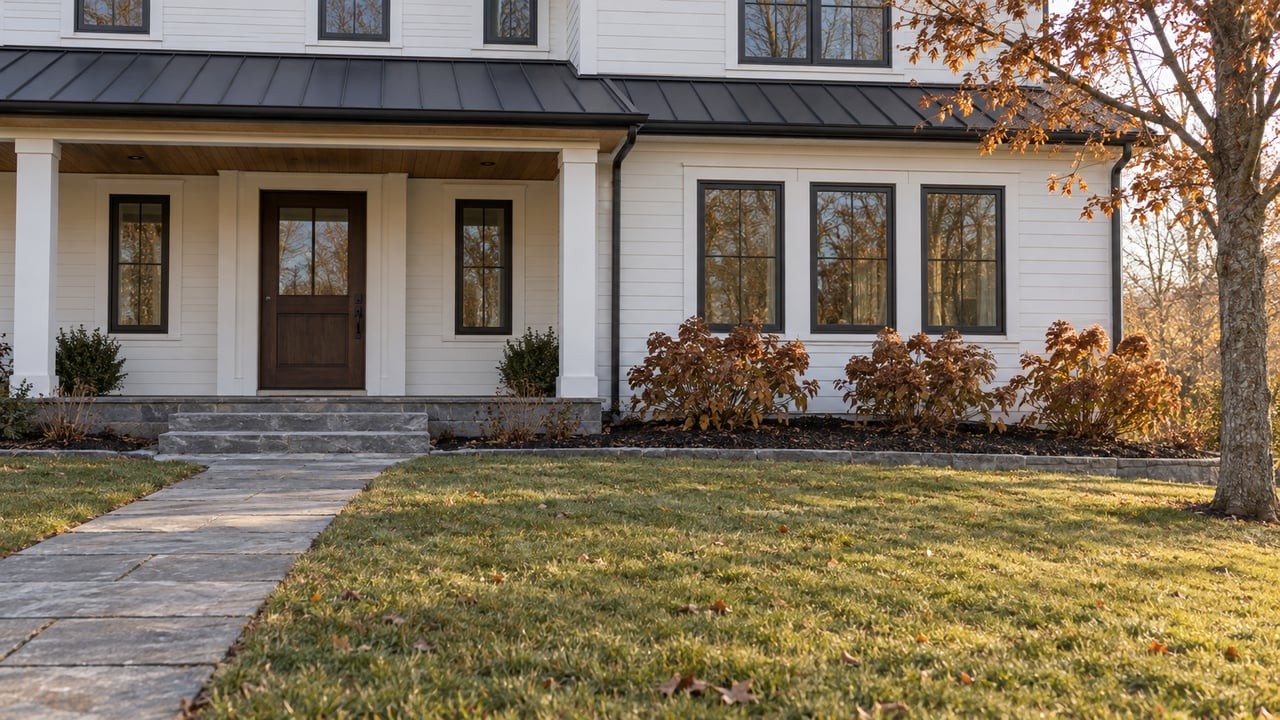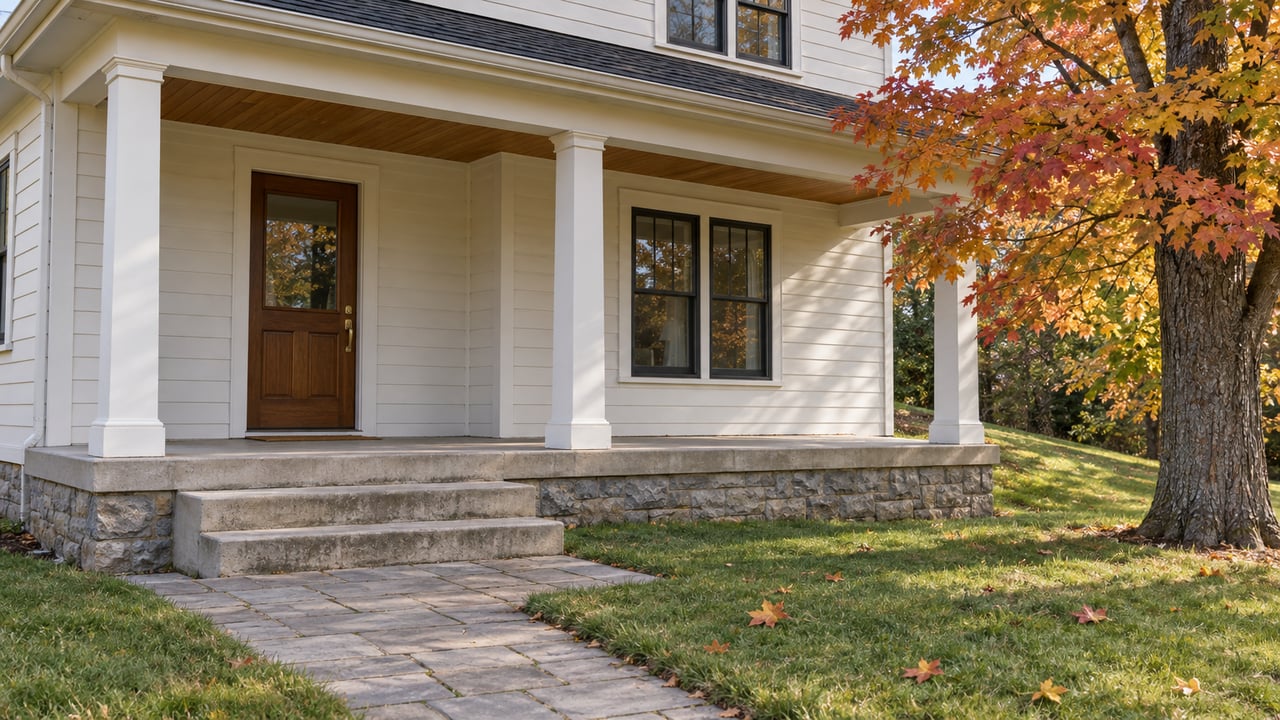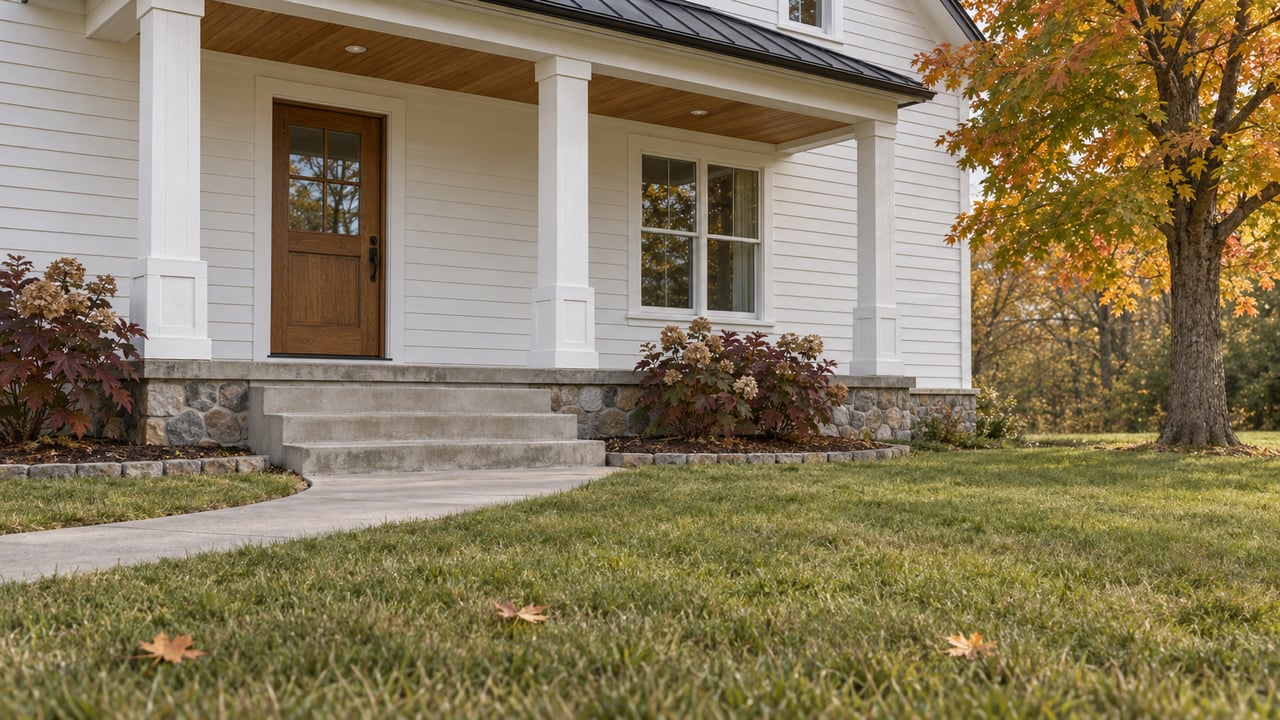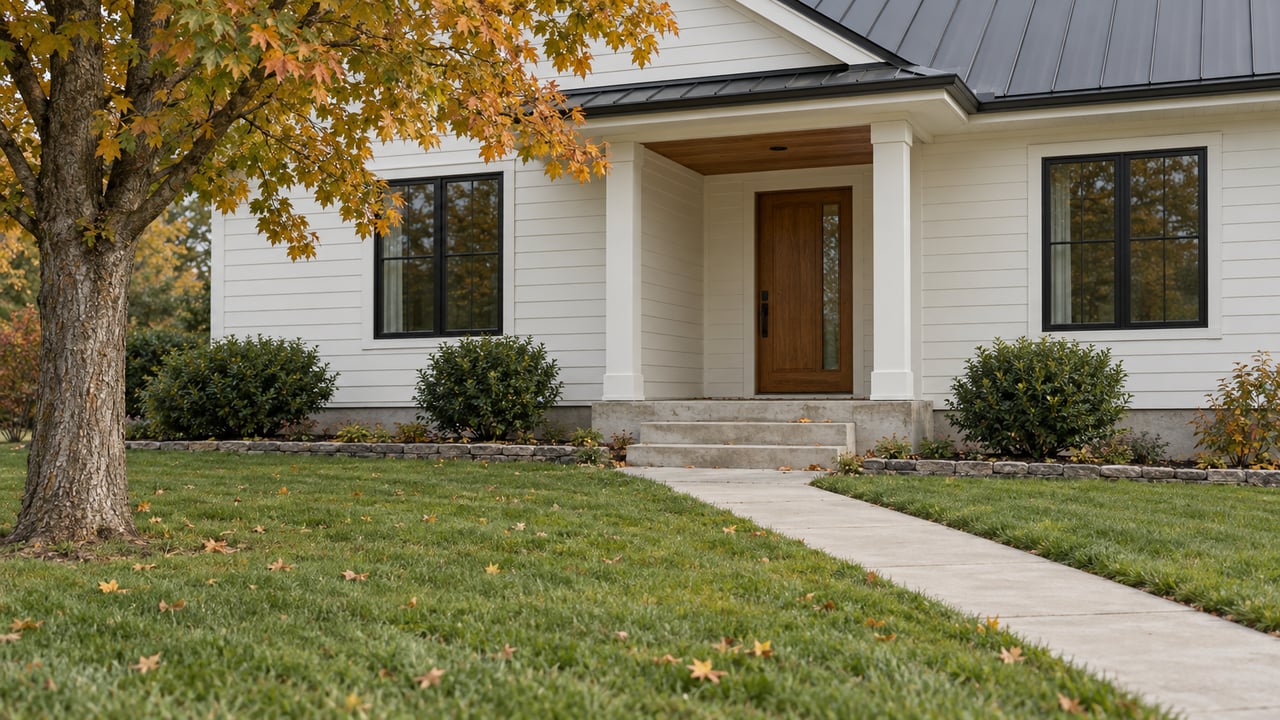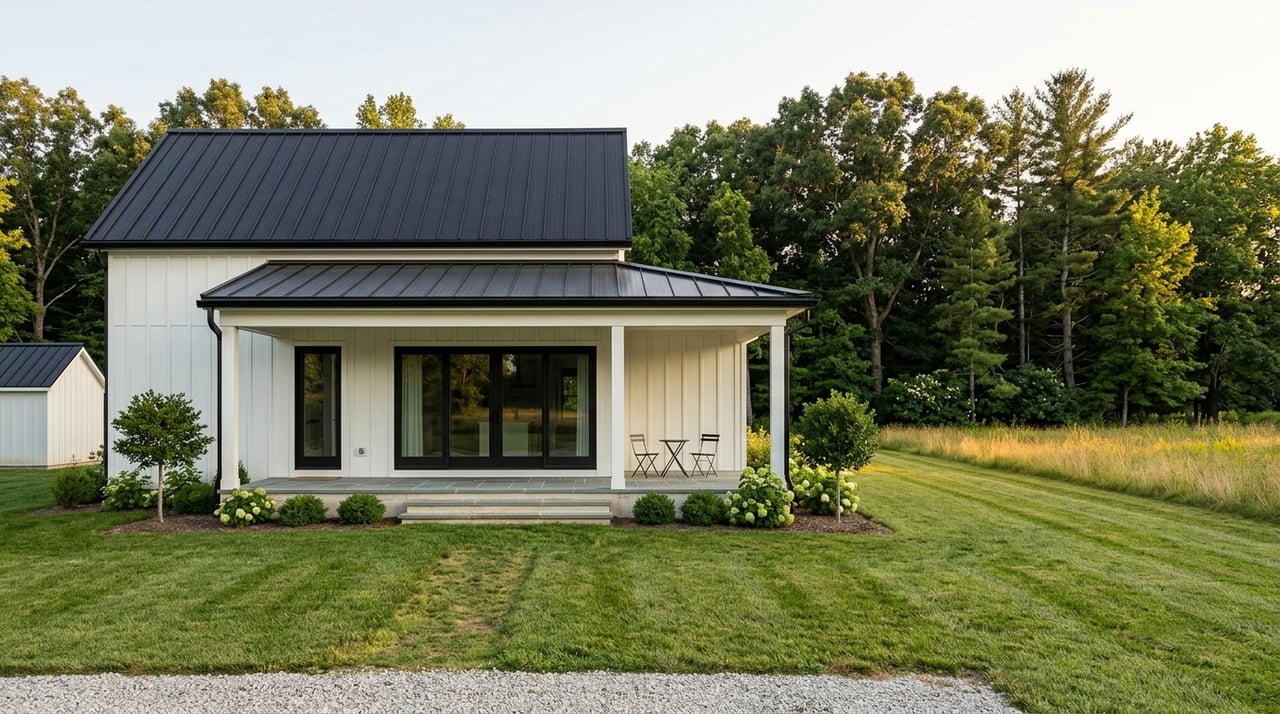
Wondering why some homes with acreage in Raleigh County get strong interest while others sit? When you sell a property with land, buyers are not just judging the house. They are also trying to understand access, utilities, boundaries, floodplain concerns, and whether the acreage can actually support their plans. If you want a smoother sale, it helps to prepare the land story as carefully as the home itself. Let’s dive in.
Why acreage sales are different
Selling a home with acreage in Raleigh County is different from selling a typical in-town property. Buyers often have more questions, and they usually need clearer documentation before they feel confident making an offer.
In many cases, the value is tied to both the house and the land. That means pricing, marketing, and preparation should reflect the full property, including frontage, open ground, woods, outbuildings, access routes, and utility setup.
Start with Raleigh County rules
Before your listing goes live, it helps to understand the local rules that may affect how your property is described and marketed. Raleigh County regulates land use through its zoning ordinance, and its location-improvement-permit process applies to properties in the county.
That process requires details like tax map and parcel information, a site plan, adjacent roads or highways, and proof of sewer and water service or septic and well approvals. Even if you are not applying for a new permit right now, these are the same kinds of details buyers often want to review early.
If you plan to split acreage
If you are thinking about carving off part of the land before selling, treat that as a legal and planning issue, not just a marketing choice. Raleigh County subdivision rules define family-member lot splits, minor subdivisions, and major subdivisions.
That matters because a split may require plat review and approval. If a future division is part of your sales strategy, it is smart to confirm what category applies before the property is listed.
If the property has farm use
Raleigh County defines a farm as land of not less than five acres used for agricultural or horticultural purposes or for raising domestic animals or fowl. If your property fits that definition, it may be appropriate to describe it as a farm or hobby farm based on its actual use.
For property tax purposes, Raleigh County also has a farm-use valuation program, and West Virginia law provides special valuation for farmland and managed timberland. The assessor states that farm-use applications are generally taken from July 1 through September 1.
Prepare the property so buyers understand it
With acreage, presentation is not about making every inch of land look manicured. It is about helping buyers quickly see how the property functions and where the most usable areas are.
Driveways, road frontage, and the first visible open spaces matter a lot. National curb appeal guidance cited in the research shows buyers form opinions from the street, and strong curb appeal can lift perceived value.
Focus on the visible areas first
Start with the route a buyer will actually experience. On a larger parcel, that usually means mowing visible areas, trimming along the driveway and fence lines, clearing debris around outbuildings, and making the path from the road to the home easy to follow.
If parts of the land are wooded or more natural, that is fine. The goal is clarity, not perfection. Buyers should be able to tell where the house site ends, where open use areas begin, and how they would move through the property.
Clean, declutter, and simplify
Inside the home, the usual prep still matters. Decluttering, whole-home cleaning, and simple staging can help buyers focus on the property’s space and potential instead of distractions.
The 2025 staging data in the research found that agents often recommend decluttering, full-home cleaning, curb appeal work, professional photos, and outdoor-area improvements. That same report found staging often reduced time on market.
Gather documents before you list
One of the best ways to sell a home with acreage in Raleigh County is to answer buyer questions before they turn into delays. A clear property packet can make your listing easier to understand and easier to trust.
At minimum, it helps to gather the same core details the county already asks for on permit applications. That includes tax district, tax map and parcel numbers, a site plan showing boundaries, structures, setbacks, and roads, plus utility information.
Key items to have ready
- Tax district, tax map, and parcel numbers
- A site plan showing boundaries, structures, setbacks, and roads
- Water and sewer information, or septic and well approvals
- Information on the road access to the property
- Any known recorded easements
- Floodplain information if the property has streams, low ground, or river frontage
- Farm-use or timber classification details, if applicable
Tax maps are helpful, but limited
Raleigh County assessor tax maps show property and lot lines, dimensions or areas, and whether land is improved. They are useful for orientation and basic reference.
But West Virginia law states those tax maps are for taxation purposes only. They are not a substitute for a survey when boundaries, encroachments, or access lines are important.
Identify utilities clearly
Utility information matters on almost every acreage sale. Raleigh County lists several public service districts, including Bradley, Cool Ridge-Flat Top, Crab Orchard-MacArthur, North Beckley, Raleigh County PSD, and Shady Spring.
If your property is served by one of those providers, identify it clearly. If the home uses a private well and septic system, have that information ready too. When public utility service is not available, county permitting calls for local health department approval, and West Virginia residents must obtain a permit from the local health department before drilling, modifying, or abandoning a well.
Get ahead of access questions
Access is one of the most common concerns in land sales. Buyers want to know whether the road is public, private, or shared, and who is responsible for maintenance.
They may also ask about deeded access and recorded easements. If the answer is simple, great. If it is more nuanced, it is better to explain it early than let buyers guess.
Why access matters for marketability
Land market research cited in the report identifies financing, easement and access, zoning, and water-rights issues as factors that affect land sales. In practical terms, uncertainty around access can narrow your buyer pool or slow down decision-making.
If you can provide a clear explanation of how the property is reached and maintained, you remove a major obstacle for interested buyers.
Check floodplain status early
If your acreage includes a creek, stream, river frontage, or low-lying ground, check floodplain status before listing. Raleigh County’s floodplain ordinance ties local floodplain identification to FEMA Flood Insurance Rate Maps and Flood Insurance Studies.
This does not automatically make the property unsellable. It simply means buyers will want accurate information about where the floodplain is and how it affects the usable land.
Pair floodplain facts with a site plan
If any part of the parcel may lie in a mapped floodplain, that should be reviewed along with your site plan and access details. This is especially important if a buyer may want future improvements or is asking whether the land can be divided later.
Clear documentation helps buyers understand the opportunity and the limits of the property without confusion.
Price the house and land together
Pricing a home with acreage in Raleigh County takes more than applying a price per square foot to the house. The land component deserves separate attention, especially if it includes buildable areas, pasture, woods, road frontage, or a mix of uses.
As a broad local benchmark, Redfin reported a Raleigh County median sale price of $217,348 and a median of 55 days on market over the three months ending May 2026. That is county-wide home data, not acreage-only data, but it gives a starting point for local expectations.
Why acreage pricing needs more nuance
Research in the report notes that raw land, partially developed parcels, and build-ready lots behave differently. Build-ready land also has a natural price ceiling because its value is tied to the home that can be built on it.
For sellers, that means the most accurate price usually comes from understanding what kind of land you have, how clearly it is documented, and how easily a buyer can picture using it.
Days on market depend on clarity
National land-market data in the research found that land sales generally concluded within 60 days and that 25 percent closed in less than 30 days. While every property is different, well-prepared acreage often moves more efficiently because buyers can make decisions faster.
In Raleigh County, the practical takeaway is simple. The easier it is to answer questions about boundaries, utilities, access, floodplain, and possible land use, the better your pricing strategy and timeline tend to hold up.
Use marketing that explains the land
Acreage listings need more than pretty photos. Buyers need a clear visual and written explanation of what the property offers.
That means showing the home, the approach from the road, major open areas, outbuildings, and the relationship between the house and the land. If the property includes pasture, woodland, or farm-use features, those details should be explained in a straightforward way.
What strong acreage marketing should do
- Show how the property is accessed from the road
- Highlight the most usable areas first
- Clarify whether utilities are public or private
- Note outbuildings and open ground in plain language
- Present boundaries and land layout as clearly as possible
- Anticipate questions about floodplain, access, and future division
For many sellers, this is where local guidance really matters. Rural and small-acreage properties often need more context than standard residential listings.
A practical selling plan for Raleigh County acreage
If you want to sell with fewer surprises, start with preparation instead of guesswork. Confirm the local facts, clean up the visible areas, gather your documents, and build a pricing strategy that reflects both the home and the land.
That approach helps buyers feel informed, which can lead to stronger interest and a smoother path from listing to closing. If your property includes wells, septic, farm use, floodplain areas, or possible split potential, getting organized early can make a big difference.
When you are ready to sell a home with acreage in Raleigh County, working with a local team that understands rural property details can save time and reduce stress. LILLYWOOD REALTY brings a practical, hands-on approach to pricing, preparation, and marketing so you can move forward with confidence.
FAQs
What documents should you gather before selling a home with acreage in Raleigh County?
- Start with tax district, tax map and parcel numbers, a site plan, utility information, septic or well approvals if applicable, access details, and any known easement or floodplain information.
Can you use Raleigh County tax maps instead of a survey when selling acreage?
- No. Tax maps are useful for tax reference and basic orientation, but West Virginia law says they are for taxation purposes only and are not a substitute for a survey when boundaries or access lines matter.
Do buyers ask about wells and septic on Raleigh County acreage listings?
- Yes. Buyers often want to know whether the property is served by a public service district or by a private well and septic system, and they may ask for related approvals or permit information.
Does floodplain status matter when selling acreage in Raleigh County?
- Yes. If the property includes streams, low ground, or river frontage, buyers will usually want to know whether any part of the parcel is in a mapped floodplain under Raleigh County’s floodplain rules.
Can a buyer divide acreage after buying a home in Raleigh County?
- Maybe, but it depends on Raleigh County subdivision rules. Land division can require review and approval, so future split potential should be verified rather than assumed.
How long does it take to sell a home with acreage in Raleigh County?
- Timing varies, but county-wide data in the research showed a median of 55 days on market through May 2026, and land-market data suggests well-documented properties can move more efficiently.