Thinking about trading city utilities for country living in Braxton County? When your water comes from a private well and your wastewater goes to a septic system, a little homework up front can save you stress and money later. In this guide, you’ll learn exactly which permits and records to request, what to test, common red flags, and how to write smart contingencies for a smooth closing. Let’s dive in.
Who regulates wells and septic
In Braxton County, the Braxton County Health Department (BCHD) is your local contact for permitting, site evaluations, and inspections for both private wells and on-site sewage. BCHD reviews perc tests, conducts site visits, and inspects installations before they are covered. You can find contact details and program info on the BCHD environmental health page at the county website’s sewage section. Visit the BCHD page on onsite sewage and permits: Braxton County Health Department environmental sewage page.
At the state level, the West Virginia Office of Environmental Health Services (OEHS) publishes the rules, certifies well drillers and pump installers, and hosts the official well and septic forms. You will use OEHS resources to verify certified professionals and to locate water testing labs.
Request these records before you buy
Gathering complete records helps you understand a property’s water and wastewater history.
- Private well documents: the Water Well Completion Report (SW-258, also called the well log), the Pump Installation Report (SW-262), and any bacteriological and chemical lab results. Also request the original well permit (SW-256) if available. See the official forms on the WV OEHS forms page.
- Septic documents: the septic installation permit and as-built drawings (often SS-182A or SS-188 where applicable), pumping/cleaning receipts, repair invoices, and any replacement area notes. BCHD can search local files for you.
- From the seller: ask for service records, receipts, and any warranties or maintenance contracts. Record availability varies by age of the system and whether prior owners kept paperwork.
Private wells: tests and checks
Permits, process, and timeline
A well permit (SW-256) is required before drilling. A state-certified driller completes the work and files the well completion (SW-258) and pump installation (SW-262) reports, typically within 30 days of finishing. New wells are disinfected and must pass bacteriological testing before use. From decision to safe, potable water, the practical timeline often runs a few weeks to a few months depending on permitting, scheduling, depth, and testing. For a plain-English overview of timing, see this WV-focused summary: West Virginia well owner guide.
What to test and when
At minimum, test for total coliform and E. coli bacteria, nitrates or nitrites, and basic chemistry like pH and total dissolved solids. If lab results are older than 6 to 12 months, plan to retest during your contingency period using a state-certified laboratory. You can verify labs on the OEHS certified labs list.
Add situation-specific tests as needed. For example, include arsenic, lead, iron or manganese, or volatile organic compounds if nearby conditions suggest risk. Consider radon or PFAS screening where geology or known sources indicate potential. For context on private well risks, see the EPA’s overview of PFAS and private wells.
Buyer well checklist
Use this list during showings, inspections, and due diligence:
- Ask for SW-258 and SW-262. Confirm total depth, casing type and diameter, grout, development notes, disinfection date, and initial test results. Cross-check with the OEHS forms.
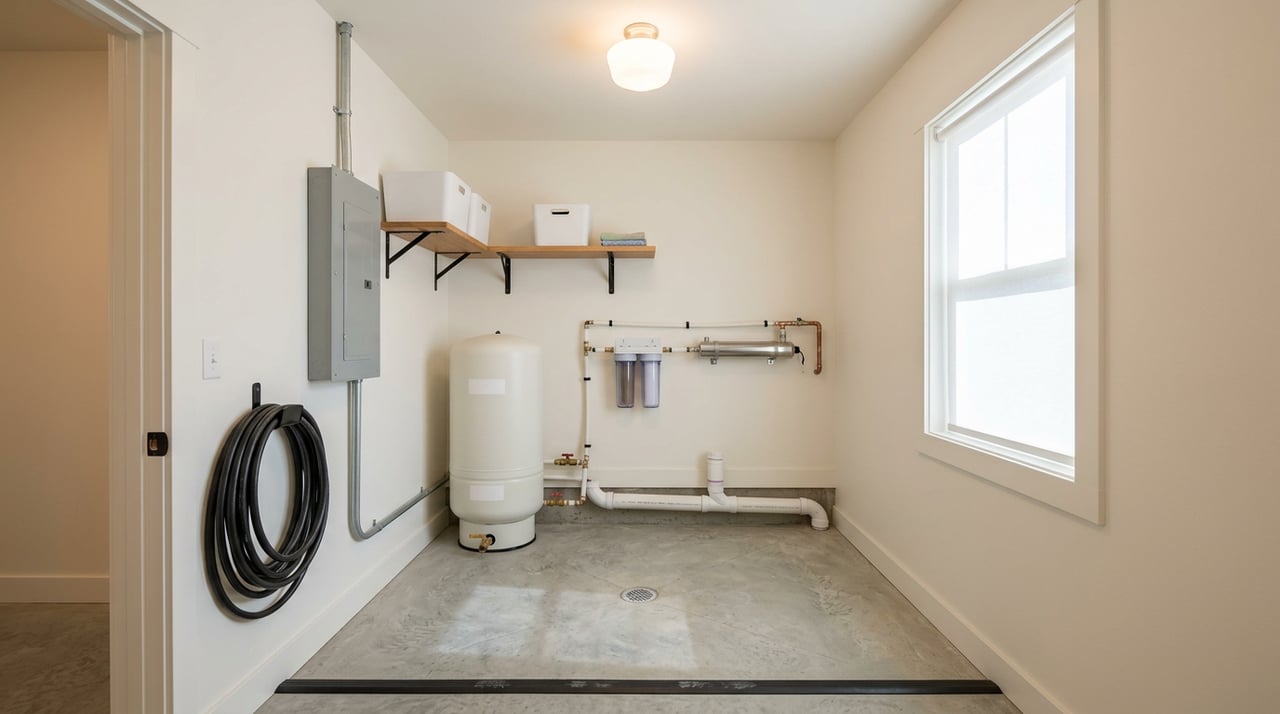
- Request the static water level, pump model and age, pressure tank size and condition, and the last measured yield in gallons per minute.
- Inspect the wellhead. Look for a sanitary cap, intact casing above grade, and good drainage around the well.
- Confirm the well is not shared. If it is, request a recorded easement and written maintenance agreement.
- Order new baseline tests if results are missing or old. Use a state-certified lab and keep copies for your records.
Red flags for wells
- Missing SW-258 or pump report
- Positive bacterial results that persist after proper disinfection
- Rapid loss of yield or sudden changes in taste, odor, or color
- A wellhead that is not sealed or is too close to septic components, livestock areas, or fuel tanks
Any red flag warrants deeper investigation and coordination with BCHD and qualified contractors.
Septic systems: permits and care
System types you may see
- Conventional gravity system: septic tank followed by a soil absorption field.
- Alternative systems used where soils or topography are challenging. These can include aerobic treatment units, low-pressure dosing or pump systems, sand filters, or mounds. Alternative designs can require electricity, alarms, and more frequent maintenance.
What to request and what inspectors check
Ask for the septic permit and as-built drawings, the last pump date with receipts, any repair records, and the location of any reserved replacement area. During a professional inspection, expect the provider to locate the tank and lids, check baffles and tank condition, test household plumbing for slow drains or backups, and look for surfacing effluent or soggy areas in the drainfield. For homeowner-friendly checklists, see the EPA’s SepticSmart education materials.
Maintenance and typical lifespans
Plan to pump most tanks every 3 to 5 years depending on household size and tank volume, and schedule periodic inspections. Good maintenance helps a conventional system last for decades. Alternative systems can be more complex and costly to maintain, and field replacement depends on soil and space. Always verify that a suitable replacement area exists before you buy.
Septic red flags
- No permit or as-built on file
- Sewage surfacing in the yard or near the field
- Strong, persistent sewage odors
- Repeated emergency pumping with no lasting fix
- Slow drains or frequent backups inside the home
If any appear, ask for a full diagnostic by a certified installer and consult BCHD on next steps.
Other rural utilities to confirm
Internet and cell-based options
Coverage varies widely by address in Braxton County. You may see DSL, limited cable, fixed wireless, or satellite service. Always perform an address-level availability and speed check early in your contingency period, especially if you work from home or stream video. For a county-level snapshot, review this Braxton County internet providers overview.
Electricity, heating fuel, trash, and access
Ask the seller to identify utility providers and typical monthly costs. Rural homes may use electric heat pumps, propane, fuel oil, wood, or a combination. Trash service may be through private haulers or local facilities. Verify road maintenance responsibility, shared driveway easements, and 911 addressing. County pages can point you to local contacts across towns and districts. See the Braxton County towns directory.
Smart contingencies for buyers
Protect your budget and timeline with clear, written contingencies:
- Require a septic approval or inspection acceptable to BCHD and a full septic inspection by a certified provider.
- Require state-certified well water testing with agreed corrective steps if results exceed health thresholds.
- Require the seller to provide copies of SW-258 and SW-262 for the well and SS-182A or SS-188 for the septic before closing.
- If the well is shared, require a recorded easement and a written maintenance agreement delivered before the inspection deadline.
Quick contacts and lookups
- Local permits and records: Braxton County Health Department environmental sewage page
- Official well and septic forms: WV OEHS forms page
- State-certified water testing: OEHS certified labs list
- Verify professional credentials: WV certified well drillers
Buying rural in Braxton County should feel exciting, not overwhelming. With the right records, targeted testing, and smart contingencies, you can close with confidence and enjoy the space and quiet you wanted. If you would like local help coordinating inspections or fine-tuning your offer, reach out to LILLYWOOD REALTY. We know the process, the paperwork, and the people who can get it done.
FAQs
How do I get well and septic records for a Braxton County home?
- Start with the Braxton County Health Department for permits and as-builts, then ask the seller for service receipts; use the WV OEHS forms page to match form numbers.
What water tests should I run on a private well before closing?
- At minimum, test for total coliform and E. coli, nitrates or nitrites, and basic chemistry; add metals, VOCs, or other panels based on local risks and use a state-certified lab.
How often should a septic tank be pumped in West Virginia?
- Many homes pump every 3 to 5 years depending on tank size and household usage, with periodic professional inspections to keep the system healthy.
What are common signs of a failing drainfield?
- Soggy or unusually lush grass over the field, sewage odors, surfacing effluent, or frequent slow drains and backups inside the house.
Can a private well be shared and what should I check?
- Yes, but confirm a recorded easement and a written maintenance agreement that covers costs, access, testing, and repair responsibilities.
How can I confirm internet options at a rural Braxton County address?
- Contact providers for an address-level check and compare against county-level overviews; verify speeds meet your work or streaming needs before you remove contingencies.